New construction in Sarasota? Bring your own agent first
The builder's sales team works for the builder. Why to register your own agent before your first model visit, and what they check on a new build.
Bring your own agent, and call them before you set foot in the model home. The builder’s sales team works for the builder, and many builders here want your agent registered on your very first visit, or they may not let that agent work with you later. Your own agent reads the builder’s contract with you, compares incentives across builders, checks the real monthly cost and helps you line up independent inspections.
Much of the new construction around Sarasota is east of I-75, in and around Lakewood Ranch, Parrish, Venice and Wellen Park. Here’s how the process works and where an agent who works for you makes a difference.
Who does the sales team in the model home work for?
They work for the builder. That’s not a knock on them. Most are friendly, know their floor plans well and will answer a lot of questions. But their job is to sell that builder’s homes, on that builder’s contract and terms.
They won’t tell you that the builder down the road has a better rate offer this month, or that a different homesite in the same community carries a smaller premium. That’s your agent’s job.
Why does registration on the first visit matter?
Many builders ask that your agent be registered with them, or be with you, the first time you visit a community. If you walk into the model alone, or fill out the builder’s web form to get a price sheet, some builders will treat you as their own customer from that point on and won’t let your agent represent you later.
What’s different about a builder’s contract?
Builders usually use their own purchase contract, not the standard Florida form most resale buyers sign. It’s written for the builder, so read it closely.
Pay close attention to:
- How much you deposit, when, and whether more deposits come due as the build goes on
- Whether your deposit is held in escrow or can be used by the builder for construction
- When the deposit becomes non-refundable, and what happens to it if your financing falls through or the build runs late
- How the builder can change the completion date, materials or price
- When you’re allowed to have your own inspector on site
- What the builder’s warranty covers, and for how long
- If the community has a CDD, the disclosure about it
We go through the contract with you line by line, but we’re not attorneys. Florida law has rules for deposits on new homes, and a real estate attorney can tell you what they mean for your contract. On a large deposit, or if anything in the contract concerns you, have one review it before you sign.
How do you compare builder incentives?
Builders here change their offers often, some as often as every month: rate buydowns, closing cost credits, price cuts on finished homes, design credits and free upgrades. They can look similar on a flyer and be worth very different amounts.
A few things to check. Many financing offers require the builder’s own lender, so compare a loan estimate from that lender with one from your own lender. A temporary buydown or an intro rate can look great in year one and cost more later. Quick move-in homes, the ones that are finished or nearly finished, often carry the biggest incentives, but the deadline to sign and close is usually tight.
We track offers across Sarasota and Manatee builders and send them out once a month in our new construction deals list. It’s free, and we confirm current terms with you before you visit or sign.
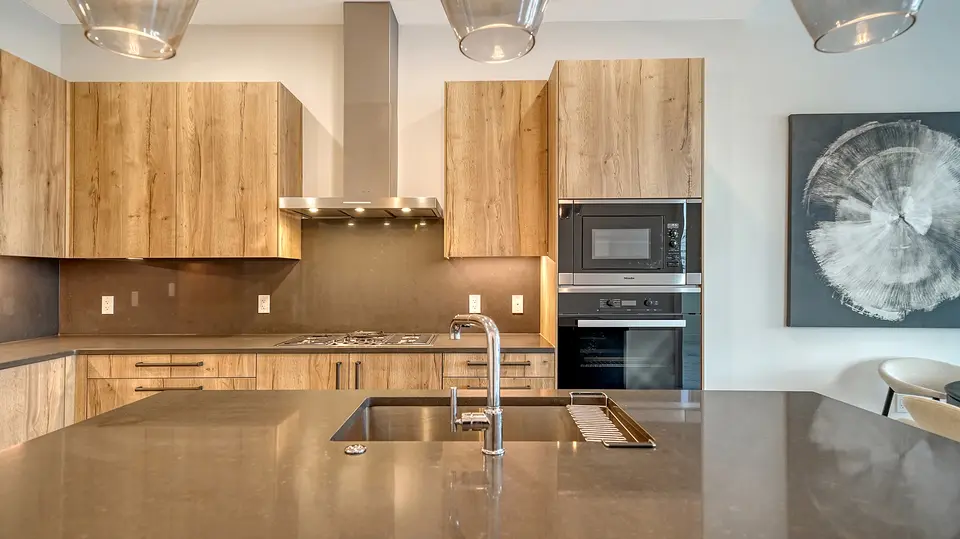
What does the home really cost each month?
The base price on the sign is only part of it. Add the lot premium if you choose a homesite on a pond, a preserve or a larger lot. Add the options and upgrades you pick in the design center, which can add up fast.
Then look at the yearly costs. HOA dues pay for the community’s common areas and amenities. Many newer Florida communities also have a CDD, a Community Development District, a special district that pays for roads, utilities and other infrastructure. Owners pay it back through a yearly assessment, usually on the property tax bill, separate from HOA dues. It often covers both the district’s debt and its upkeep, so check how many years the debt part runs. Two homes at the same price in two different communities can have very different monthly costs once both are counted. We check the HOA and CDD amounts before you pick a home, and we compare these costs against resale homes in Lakewood Ranch new construction vs resale.
Do you need an inspection on a brand-new home?
Yes. New homes can have problems too, and the county or city building inspections and the builder’s own checks are not the same as an inspection done for you.
We recommend an independent inspector at two points. The first is the pre-drywall stage, when framing, wiring, plumbing and the AC ducts are still visible. The second is just before closing, when the home is finished. Some buyers add a third shortly before the builder’s first-year warranty ends. Check the builder contract early for when inspectors are allowed on site, because some builders limit it.
From contract to closing on a new build
-
Before your first visit
Register your agent
Call or text us the community name so we can register you or meet you at the model.
-
Contract
Read the builder's contract
Deposits, escrow, completion dates, inspection access and the warranty. On a large deposit, have a real estate attorney review it.
-
Design center
Pick options and upgrades
Selections usually have deadlines, and some builders ask for an added deposit on options.
-
Financing
Compare lenders and plan the rate lock
Line up a loan estimate from the builder's lender and your own, and watch lock timing if the completion date moves.
-
Before drywall
Pre-drywall inspection
Your own inspector checks framing, wiring, plumbing and AC ducts while they're still visible.
-
Home finished
Final inspection
Your inspector goes through the finished home before closing, and anything found goes on the punch list.
-
Days before closing
Walk-through and punch list
Walk the home with the builder's representative, list what needs fixing and track it until it's done.
-
Closing and after
Close and track the warranty
Note the warranty end dates. Some buyers book one more inspection before the first year runs out.
What happens at the final walk-through?
Before closing, you walk the finished home with the builder’s representative and note anything that isn’t right: paint touch-ups, a cabinet door out of line, a sprinkler head that doesn’t work, a scratch in the floor. That list is the punch list.
We do the walk-through with you and keep track of the punch list until it’s done. After you move in, keep a running list of anything that comes up and note the dates on your warranty paperwork so nothing gets missed before coverage ends.
How is your agent paid on a new build?
Buyer agent compensation is spelled out in your written buyer agreement, which we sign together before we tour any homes. It’s negotiable, not set by law. Some builders contribute toward it, and we’ll tell you up front whether the builder you’re looking at does. You won’t be surprised by it at the closing table.
What has your own agent caught on a new build?
[NEEDS RICHARD: a real example from a new construction purchase: something you caught for a buyer on a builder contract, an inspection or the final walk-through]
What’s the next step?
Before your first model visit, call or text Richard at 941-800-8891 with the community name so we can register you. To see what builders are offering first, get our monthly new construction deals list.
Still deciding where to look? Our Lakewood Ranch area guide covers a place where several builders are selling at once, moving to Sarasota covers the wider area and renting before you buy, and how we help buyers covers resale homes too.