Moving to Sarasota: areas, homes and renting before you buy
Moving to Sarasota? The main areas and home types, renting first, insurance and flood basics, hurricane season, and timing a move around high season.
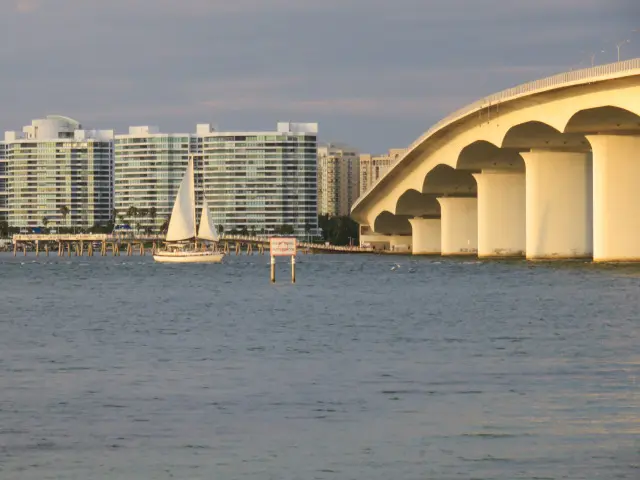
If you’re moving to Sarasota, start by learning the areas, then rent for a few months before you buy if you can. The coast here changes a lot over a short drive, from island condos to downtown towers to planned villages east of I-75, and each comes with its own rules, insurance costs and traffic in season. Renting first gives you time to sort that out before you commit.
Here’s how we walk people through a move here. Drive times are rough and depend on traffic, especially from January to April.
What are the main areas, and what homes are there?
We work across Sarasota and Manatee counties. These are the areas people ask us about most.
Downtown Sarasota is mostly high-rise and mid-rise condos near Main Street and the bayfront, with older bungalows and townhomes in the neighborhoods at the edges. Many buildings are a walk from restaurants, shops and The Bay park. See our downtown Sarasota guide.
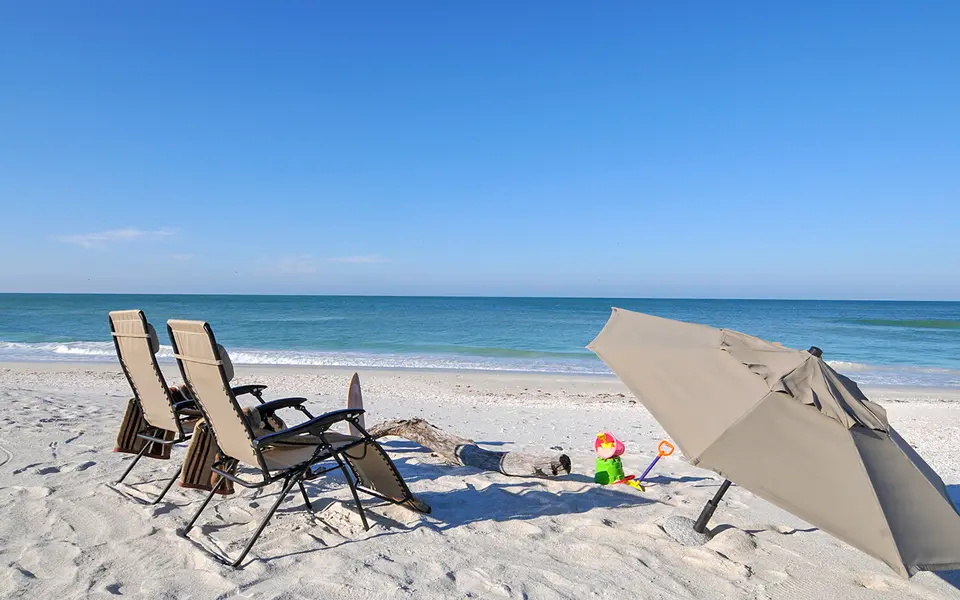
The islands sit just west across the bay. Siesta Key has Siesta Beach, the Village and a mix of condos and canal homes. Lido Key is mostly condos next to St. Armands Circle. Longboat Key has Gulf-front condo buildings and single-family neighborhoods on the bay side. Downtown is roughly 10 to 20 minutes from most of the island areas, longer in winter. We compare them in Longboat, Siesta or Lido Key.
Lakewood Ranch is a large master-planned community east of I-75, built as separate villages, each with its own association. Much of the new construction in the area is here. Downtown Sarasota is usually 25 to 30 minutes west and the beaches 35 to 45. See Lakewood Ranch new construction vs resale.
Osprey and Nokomis sit south toward Venice along Little Sarasota Bay, with Casey Key across the water. Homes range from waterfront houses to golf and gated communities east of US 41. Downtown is around 25 minutes north.
Bradenton is north, along the Manatee River, with older neighborhoods, waterfront homes, condos and newer communities to the east. Anna Maria Island is west. Downtown Sarasota is about 25 to 30 minutes south.
There are many neighborhoods in between, like Palm Aire, Gulf Gate and the areas around St. Armands. Our areas page has a guide for each one we cover.
Should you rent before you buy?
For many people moving from out of state, renting first is the safer move. A few months here will tell you more than any map: how long the drive to the beach really is in March, which roads back up, what the summer rain is like, and whether you’d rather walk to dinner or have a yard.
You have two kinds of leases to choose from. A seasonal rental is furnished and usually runs a month to a few months. It’s easy to move into, but rents are highest from January to April, and the most requested homes often book many months ahead. An annual lease is usually unfurnished and runs a year. Rent is steadier, and you can bring your own things.
Read the lease end date and any early termination terms before you sign, so you’re not stuck paying rent on a home you’ve moved out of. If you’re renting in a condo or HOA community, expect an application and sometimes an association approval before you move in. Our tenant information page explains how applications and screening work for the homes we lease.
What should you know about insurance and flood zones?
Insurance is one of the biggest costs of owning a home in Florida, so price it before you fall for a house. Homeowners insurance cost depends on the roof age, the home’s wind features and where it sits. For older homes, insurers often ask for a four-point inspection and a wind mitigation inspection along with the general inspection.
Flood is separate. A standard homeowners policy doesn’t cover flood damage, so flood coverage is its own policy. Ask for the flood zone and an elevation certificate on any home you’re serious about, and ask your lender whether flood insurance will be required. New flood policies usually have a waiting period before coverage starts (30 days for most National Flood Insurance Program policies, with some exceptions, such as coverage your lender requires at closing), so don’t wait for a storm in the forecast. Get quotes from your insurance agent early, before your inspection period ends.
What does hurricane season mean for a new owner?
The Atlantic hurricane season runs from June 1 to November 30. Plan for a storm before you need to. Check whether the home is in a county evacuation zone, ask about shutters or impact windows, and learn where the main water and power shutoffs are.
If you’ll be away for part of the year, decide in advance who will prepare the home before a storm and check it afterward. For the homes we manage, we help arrange storm prep and check homes after storms.
How do you time a move around high season?
High season runs January through April. Roads, restaurants and beaches are at their busiest, and furnished rents peak. If you want to arrive in winter, start your rental search the spring or summer before.
Outside high season, rentals can be easier to find and getting settled is usually less hectic, though summer brings heat, afternoon storms and the start of hurricane season. For buying, winter brings more buyers out looking, so plan for competition on homes that are priced well.
Your first year: from renting to buying
-
Before you move
Pick two or three areas
Read the area guides, list what matters to you (beach, walkability, yard, new construction) and set a rough budget for rent and for buying.
-
Month 1
Rent in the area you like most
Choose a seasonal or annual lease with an end date that fits your plan. Learn the drive times at different hours.
-
Months 2 to 4
Tour the other areas
Spend weekends in the areas you did not pick. Visit open houses and model homes, with your own agent registered first.
-
Months 4 to 6
Get the money lined up
Talk to a lender, get insurance quotes on sample homes in each area, and narrow your list.
-
Months 6 to 9
Make an offer
Check flood zone, insurance, HOA or condo rules and the budget before your offer is final. Time closing to your lease end.
-
Months 9 to 12
Move in and get ready for storms
Ask the property appraiser about homestead if it is your residence, and set up a hurricane plan before June 1.
What have people who moved here told us they wish they had known?
[NEEDS RICHARD: a real example (no names) of a client who rented first and then bought: where they rented, what changed their mind about an area, and how the timing worked]
What’s the next step?
Tell us when you’re moving and which areas you’re looking at. We can show you what’s available to rent now, and when you’re ready to buy, book a buyer consult and we’ll build a short list of homes with the rules, insurance and costs checked for each. To see how the winter rental market works from the owner’s side, read how seasonal renters find a Sarasota rental.