The real first-year costs of owning a Sarasota home
Property taxes that reset after a sale, the March 1 homestead deadline, insurance, flood, HOA and CDD: what a Sarasota home costs in year one.
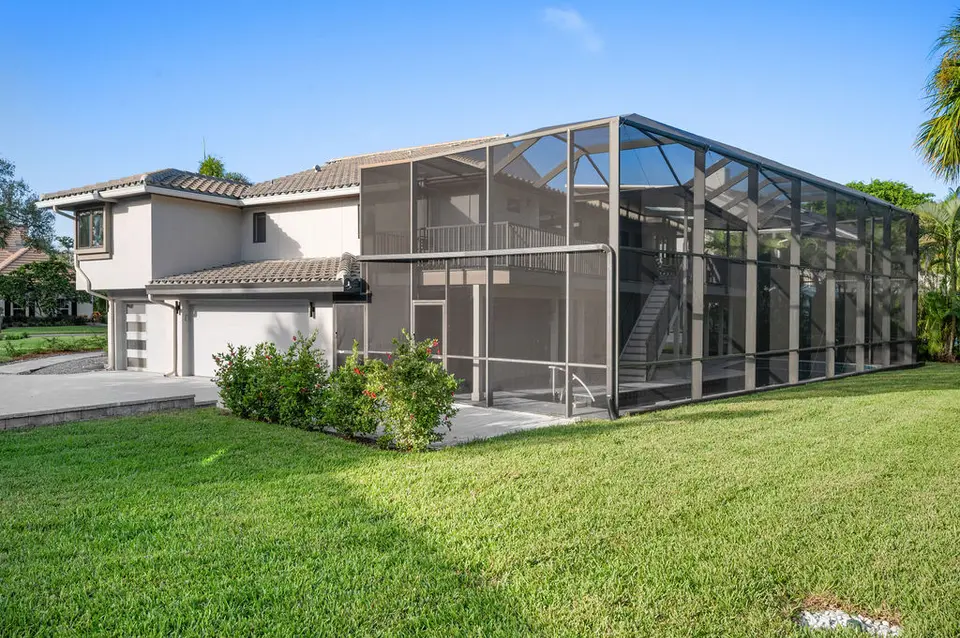
The mortgage is only part of it. In your first year or two in a Sarasota home, budget for property taxes based on your purchase rather than the seller’s bill, homeowners and wind insurance, flood insurance if the home needs it or you want it, HOA or condo dues, a CDD assessment in many newer communities, and regular upkeep. The biggest surprise for most buyers is the property tax bill in year two.
Below is each cost in plain terms. This is general information, not tax or insurance advice, so check the specifics with your CPA, your insurance agent and the county property appraiser.
First-year costs to budget for
- Property taxes based on your price, not the seller's bill
- Homestead exemption application by March 1, if it's your permanent home
- Homeowners and wind insurance, with a 4-point and wind mitigation report if needed
- Flood insurance, if your lender, your insurer or your own judgment calls for it
- HOA or condo dues, plus any one-time fees for new owners
- Special assessments the association has already approved
- CDD or district assessment on the tax bill, in many newer communities
- Upkeep: AC service, pool, lawn, pest control and storm prep
Why will my property taxes be higher than the seller’s?
Florida limits how fast the assessed value of a homestead can rise each year. Under the Save Our Homes rule in section 193.155 of the Florida Statutes, the increase is capped at 3% or the change in the Consumer Price Index, whichever is lower. The Sarasota County Property Appraiser lists the 2026 cap at 2.7%. An owner who has lived in a home for years can have an assessed value far below what the home would sell for.
That cap doesn’t come with the house. The same statute says a home is reassessed at just value, meaning market value, as of January 1 of the year after it changes hands. The Sarasota County Property Appraiser warns buyers not to assume the previous owner’s taxes, exemptions or caps will carry over.
Florida property taxes are billed in November for the current calendar year. That’s why the first bill can be misleading.
| What it's based on | What to expect | |
|---|---|---|
| Year you buy | The seller's assessed value and exemptions as of January 1 | Often close to the seller's bill; split between you and the seller at closing |
| First full year | Market value as of January 1 after your purchase, plus any exemption you filed for | Often higher, sometimes by a lot, if the seller had owned for years |
| Later years | If it's your homestead, increases capped at 3% or CPI | Steadier, unless tax rates or assessments change |
General pattern under s. 193.155, Florida Statutes. Your actual bill depends on the property appraiser's value, exemptions, tax rates and any special assessments.
To estimate the real number, use the tax estimator on the Sarasota County Property Appraiser’s site with the exact parcel number, or ask the Manatee County Property Appraiser’s office for a Manatee home. Don’t budget from the seller’s bill or the listing.
How does the homestead exemption help?
If the home will be your permanent residence, the homestead exemption lowers its taxable value, and the Save Our Homes cap starts limiting increases the year after your first homestead year. Generally you need to own the home and live in it as your permanent residence on January 1, and file with the county property appraiser by March 1 of that year. The Sarasota office lists what to bring, including proof of ownership and a Florida driver’s license or ID at the home’s address.
For the 2026 tax year, the standard exemption is up to $51,411: $25,000 off all taxes and another $26,411 off non-school taxes, according to the Property Appraisers’ Association of Florida FAQ posted by the Manatee County Property Appraiser. Tax rates vary by area, so the dollar savings vary too.
[NEEDS RICHARD: before this posts, replace this callout with the November 3, 2026 result for Amendment 3 and what it means for 2027 bills (we can pull it from the Division of Elections and the property appraiser sites)]
If you’re moving from another Florida homestead, you may be able to bring some of your old tax savings with you. That’s called portability, and we cover it in moving within Florida? How homestead portability works.
A home you rent out doesn’t qualify for the homestead exemption. If you’re buying to rent, budget for taxes without it, and read buying a Sarasota condo to rent out for the other rules to check.
What will insurance cost in year one?
For many Florida homes, insurance is one of the largest yearly costs after the mortgage, and it depends heavily on the roof’s age, the home’s construction and its location. Insurers often ask for a 4-point inspection on older homes, and a wind mitigation report can lower the premium if the home has features like hurricane straps or impact windows. Get real quotes during your inspection period, not after. We cover what lowers a premium in Florida home insurance in 2026.
Do you need flood insurance?
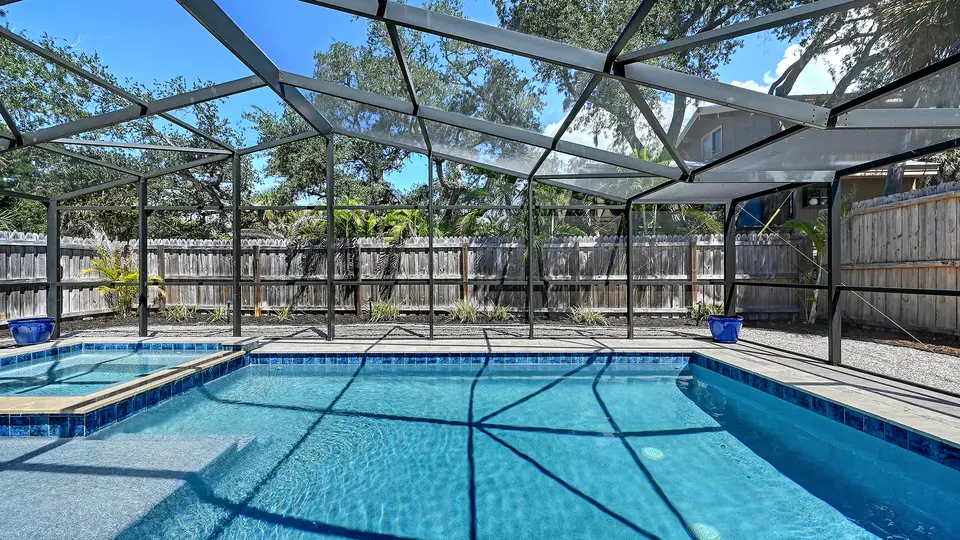
Regular homeowners policies don’t cover flooding. If the home is in a FEMA high-risk flood zone and your loan is federally backed, the lender will require flood insurance. Florida law also requires flood coverage for Citizens Property Insurance homeowner policies that include wind. The phase-in under section 627.351 reached all such policies effective on or after January 1, 2027, with exceptions such as condo unit owner policies.
Even outside those rules, many owners here buy flood coverage. National Flood Insurance Program policies usually have a 30-day waiting period before coverage starts, so don’t leave it until a storm is coming. Ask your agent about the home’s flood zone and elevation before you make an offer.
What do HOA, condo and CDD costs add?
HOA or condo dues are usually monthly or quarterly. Many associations also charge new owners a one-time fee at purchase, such as a capital contribution or transfer fee, so read the association documents and the estoppel letter before closing. Ask whether any special assessments have been approved and who pays them. Condo buyers should also look at the reserves, since Florida’s newer condo laws have pushed many buildings to raise them.
Many newer communities in Lakewood Ranch and elsewhere also have a CDD, a Community Development District, or a stewardship district. Owners pay its assessment on the property tax bill as a separate line, and the homestead exemption doesn’t reduce it. We explain how to find the amount in Lakewood Ranch new construction vs resale.
What about upkeep?
Plan on regular AC service, since the system works hard here most of the year. Add lawn care, pest control, pool service if there’s a pool, and storm prep like shutters or window protection before June 1. If the home sits empty for part of the year, budget for someone to check it, too.

What surprised a buyer we worked with?
[NEEDS RICHARD: a real example of a buyer’s first-year surprise (no names): the home type and area, which cost came in higher than they planned (year-two tax bill, insurance, flood, a special assessment or CDD) and roughly by how much, with where the number came from]
What’s the next step?
Before you make an offer, get the real numbers for the specific home. Book a buyer consultation and we’ll pull the tax estimate, the HOA and CDD amounts and the flood zone for the homes you’re considering, so your budget is set before your inspection period starts. If you might rent the home out later, our free rental analysis shows what it could earn.