Lakewood Ranch new construction vs resale: the real costs
New build or resale in Lakewood Ranch? How CDD or stewardship district assessments, HOA dues, insurance, incentives and rental rules compare.
In Lakewood Ranch, a new build and a resale at the same price can cost you very different amounts each year. The gap usually comes from three lines: the CDD or stewardship district assessment on the tax bill, the HOA dues, and insurance. New construction gets you builder incentives, a warranty and a newer roof, while a resale gets you room to negotiate, a finished yard and no wait to move in.
Here’s how we compare the two for buyers, line by line. It’s general information, not legal or tax advice.
Which county is the home in?
Start here, because it changes the tax bill. Lakewood Ranch spans both Manatee and Sarasota counties, and the line runs roughly along University Parkway. Most of the Ranch sits north of it in Manatee County, and the southern villages are in Sarasota County.
That matters for property taxes, where you look up the tax bill, and some county services. Two homes a few miles apart can be in different counties with different tax rates. Our Lakewood Ranch area guide covers the villages and how the county line runs through them.
What is a CDD or stewardship district, and who pays it?
A Community Development District, or CDD, is a special district that borrows money to build roads, water and sewer lines, drainage and other shared infrastructure. Owners pay it back through a yearly assessment. Some newer parts of Lakewood Ranch are in a stewardship district instead, which works in a similar way.
The assessment usually shows up on the property tax bill as its own line, separate from the property taxes and separate from HOA dues. It often has two parts: a debt part that pays off the bonds over a set number of years, and an upkeep part that continues.
The key point for buyers is that this charge stays with the house. A resale in a newer village can carry the same assessment as the new build down the street. A resale in an older section may have a lower amount if the debt part has been paid off. Don’t guess from the village name. Pull the actual tax bill for the exact address from the county tax collector, and ask how many years the debt part has left.
What do the HOA dues cover?
Lakewood Ranch is built as a string of villages, and each has its own association, rules and dues. Some villages are gated. Some include lawn care or cable in the dues. Some have a separate club with its own membership and fees.
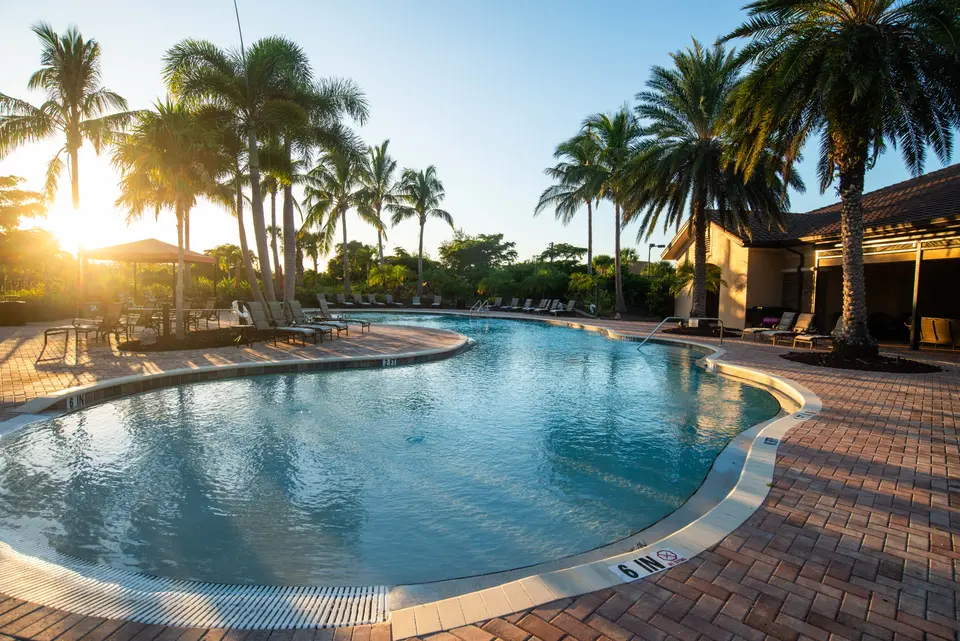
For a new build, the dues may still be set by the builder while the community fills in, and they can change once owners take over the board. For a resale, you can usually see a few years of the association’s budget and how the dues have moved. Either way, ask for the current budget, what the dues include, and whether any special assessments are planned.
How does insurance compare on a new home and an older one?
Insurance is one of the biggest yearly costs on a Florida home, and roof age plays a big part in what insurers will offer. A new home has a new roof and was built to the current Florida Building Code, which often helps with wind coverage and pricing.
An older resale may still be fine, especially if the roof has been replaced. Ask the seller for the roof’s age and permit, and for a wind mitigation report if they have one, since wind features like roof straps and impact windows can lower premiums. Then get a real quote from your insurance agent before your inspection period ends, not after.
Flood is a separate question. Many homes in Lakewood Ranch sit near lakes, ponds and preserves. Ask for the flood zone and an elevation certificate, and ask your lender whether flood coverage will be required. Since October 2024, Florida sellers, builders included, have to give buyers a written flood disclosure at or before contract, covering past flood insurance claims and federal flood aid they know of. Read it before your inspection period starts.
Builder incentives or resale negotiation: which saves more?
Builders tend to hold the base price and offer incentives instead: rate buydowns, closing cost credits, design center credits or price cuts on finished homes. Those can be worth a lot, but many require the builder’s own lender, and a temporary buydown can look better in year one than it does over the life of the loan. Compare a loan estimate from the builder’s lender with one from your own.
On a resale, almost everything is open: the price, repairs, closing costs and the move-in date. How much room there is depends on how long the home has been for sale and what new builds nearby are offering, since resale sellers here compete with them directly.
Neither side wins every time. Add up the price after incentives or credits, the options or updates you would still pay for, and the yearly CDD, HOA and insurance lines for the years you plan to own. The lower total is the better deal.
| New construction | Resale | |
|---|---|---|
| CDD or district assessment | Usually on the tax bill, often at the full amount with the debt part just starting | Stays with the home; may be lower in older sections. Check the tax bill |
| HOA dues | May still be set by the builder and change later | Past budgets show how dues have moved |
| Price | Base price usually firm; incentives instead | Price, repairs and credits are negotiable |
| Extra costs | Lot premiums and design options add up fast | Updates or repairs you plan after closing |
| Insurance | New roof and current building code | Depends on roof age and wind features |
| Yard and finishes | Basic landscaping; blinds and extras often extra | Mature yard, window treatments, often a pool |
| Move-in | Months away, unless it is a finished home | Weeks after contract, on a date you negotiate |
| Warranty | Builder warranty for set periods | Optional home warranty you buy |
| Contract | Builder's own contract, written for the builder | Standard Florida contract form |
General comparison. Amounts and terms vary by village, builder and home, so check each one.
What else costs money on a new build?
The price on the sign is the start. Lot premiums for a pond, preserve or golf view, and the options you pick in the design center, can add a lot. So can the things a new home doesn’t come with yet: window treatments, a finished yard beyond the basics, a pool, a screened lanai, gutters or garage storage.
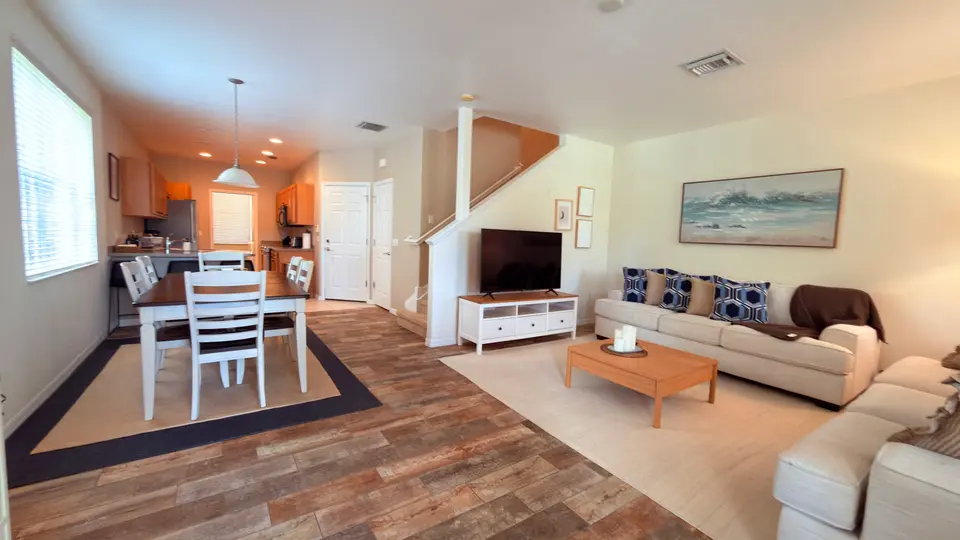
Have your own agent with you from the first model visit. Many builders want your agent registered at that first visit, and the sales team in the model works for the builder. We cover how that works in why to bring your own agent to new construction.
What if you plan to rent the home out?
Read the village’s leasing rules before you buy, new or resale. Many Lakewood Ranch associations set a minimum lease length, require tenant registration or approval, or limit leasing in the first year of ownership. Gated villages often need tenant details for gate access, and pet rules come from the HOA documents.
In our experience, Lakewood Ranch is mostly an annual rental market. Some furnished homes rent for the winter, but that’s a much smaller share than on the islands. A home that only works on paper as a seasonal rental may not fit the market or the rules here. If renting is part of your plan, we can give you a realistic annual rent range before you write an offer.
What did a side by side look like for a buyer we worked with?
[NEEDS RICHARD: a real side by side you ran for a Lakewood Ranch buyer (no names): new build vs resale, the CDD, HOA and insurance lines in round numbers with where each figure came from, and which way they went]
What’s the next step?
Before you tour models, get our monthly new construction deals list so you know what builders are offering. Then send us the two or three homes you’re weighing, new or resale, and we’ll pull the tax bill, HOA budget and leasing rules for each so you can compare the real yearly cost. If you’re still deciding where in the area to look, start with our guide to moving to Sarasota, or book a buyer consult.