Buying vs renting in Sarasota: which makes sense for you?
Should you buy or rent in Sarasota? How long you'll stay, upfront costs, insurance, HOA dues, upkeep and flexibility, plus renting first to test an area.
Buying usually makes more sense if you plan to stay in Sarasota for several years, have your down payment and reserves ready, and can handle insurance and upkeep. Renting usually makes more sense if you’re new to the area, might move again soon, or want to try a neighborhood before you commit. The right answer comes from your timeline and real numbers for the homes you’re looking at, not a rule of thumb.
We do both. We lease homes across Sarasota and Manatee and help buyers, so we see this choice from each side. Here’s the framework we use. It’s general information, not financial, tax or legal advice.
How long will you stay?
Start here, because it changes everything else. Buying comes with costs you pay once: closing costs on the way in and selling costs on the way out. The longer you own, the more years those costs are spread over.
If you think you’ll stay put for several years, buying has time to work. If you might move for a job, aren’t sure about the area yet, or are deciding between Sarasota and somewhere else, renting keeps your options open. A lease ends on a known date. Selling a home takes time, and the market on the day you need to sell may not be the one you hoped for.
What do you need up front?
The cash to get in is very different.
To rent, you’ll usually need the first month’s rent and a security deposit, sometimes more, plus application fees and renters insurance. Seasonal furnished rentals often ask for more paid up front.
To buy, you’ll need a down payment, closing costs, an inspection, an appraisal if you’re financing, insurance paid before closing, and money left over for repairs and the first surprises. Lenders will tell you what they require. Keep reserves of your own on top of that.
What does owning really cost each month?
The mortgage payment is only part of it. Owners in Florida also carry costs that renters usually don’t see directly.
Insurance. Homeowners coverage, wind coverage and, depending on the home, flood insurance. Costs vary a lot by location, age of the roof and how the home is built, so get real quotes from an insurance agent before you make an offer, not after.
Property taxes. Your bill is based on the assessed value. If the home is your permanent residence, you may qualify for the Florida homestead exemption. Check with the Sarasota or Manatee County Property Appraiser’s office.
HOA or condo dues. Many communities here have them. Ask what they cover, read the budget and ask whether any special assessments are planned. Condo buyers should also ask about the building’s reserves and inspections.
Repairs and upkeep. AC service, roof, plumbing, appliances, lawn and pool care. As a renter, most of these are the landlord’s job. As an owner, they’re yours.
Fill in your own numbers
Rather than guess at averages, put the real figures for the homes you’re comparing side by side. Use a current rent for the rental and real quotes for the home you’d buy.
| Renting | Buying | |
|---|---|---|
| Monthly housing payment | Rent: $____ | Mortgage principal and interest: $____ |
| Cash up front | First month, deposit, application fees: $____ | Down payment, closing costs, inspection, appraisal: $____ |
| Insurance | Renters insurance: $____ | Homeowners, wind and flood: $____ |
| Property taxes | Paid by the owner | Your yearly bill: $____ |
| HOA or condo dues | Usually paid by the owner (check the lease) | Dues plus any planned assessments: $____ |
| Repairs and upkeep | Mostly the landlord | Yearly budget: $____ |
| Cost to leave | Notice under the lease terms | Selling costs and time on market: $____ |
Get the rent from a current listing and the buying costs from your lender, insurance agent and the association. Talk to your CPA about how owning affects your taxes.
How much flexibility do you want?
Renting lets you move when the lease ends, try a different part of town next year, or leave the area without selling anything. You trade some control for that: you can’t renovate, the owner may decide to sell or not renew, and the rent can change at renewal.
Owning gives you control over the home. You can paint, update the kitchen, add a pool if the lot and rules allow it, and the principal and interest on a fixed-rate loan stay the same, though the taxes and insurance in your escrow can still go up. In return, you’re tied to the home until you sell or rent it out.
Who handles maintenance?
In a rental, you call the property manager when the AC stops working, and someone else lines up the repair. In a home you own, you find the contractor, schedule it and pay for it. In Sarasota that also means hurricane prep, roof checks and keeping the AC in good shape through a long summer.
Some people are glad to take that on. Others would rather not. Be honest about which you are, because it matters as much as the numbers.
Should you rent first to test an area?
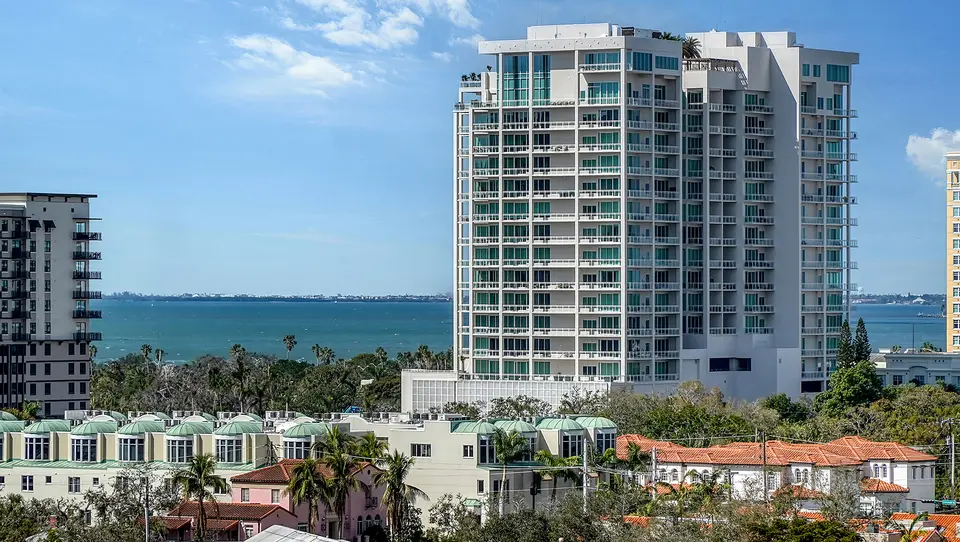
If you’re new to Sarasota, renting first is often the easiest way to learn it. The area covers a lot of ground, from downtown high rises to the islands to newer communities east of I-75, and each one has its own drive times, home styles and rules.
There are two ways to do it. A furnished seasonal rental lets you live here for a few months, often in winter, with everything set up. Our seasonal stays run 30 days or longer. An annual unfurnished lease gives you a full year, including summer, which tells you more about daily life here than a winter visit can.
You can see all of our current homes on our rentals page, and our tenant page explains how applying and renting with us works. For a wider look at the areas, read our guide to moving to Sarasota.
When does buying make sense?
Buying tends to make sense when most of these are true:
- You plan to stay in the area for several years
- You’ve picked a part of town after spending real time there
- Your down payment, closing costs and reserves are ready
- You have real insurance quotes for the homes you’re looking at
- You’ve read the HOA or condo documents and the budget works
- You’re comfortable handling upkeep or paying someone to
If you might rent the home out later, check the association’s rental rules before you buy, since many limit lease length or how often you can rent. We cover that in buying a Sarasota condo to rent out, and the rental math in the 7% rule for rental property.
[NEEDS RICHARD: a real example (no names) of a client who rented with us first and then bought, or who decided to keep renting: what they learned during the lease and what tipped the decision]
What’s the next step?
If you’re ready to start looking, or want help deciding, book a buyer consultation. We’ll talk through your timeline and the areas you’re considering, and if renting first fits better, we’ll help you find the right rental too.