The 7% rule for rental property: does it work in Sarasota?
What the 7% rule and other rental rules of thumb say, why insurance, HOA dues and seasonal swings break them here, and how to run real numbers.

The 7% rule says a rental is worth a closer look if a year of rent is at least 7% of what you pay for it. It’s a fast first screen, but in Sarasota and Manatee it can mislead you, because insurance, association dues, property taxes after a sale and seasonal swings take a share of the rent that a single percentage can’t see. Use it to sort listings, then run real numbers before you buy or set a rent.
We lease and manage rentals across both counties, and we see what owning one really costs. This is general information, not financial, tax or legal advice. Your CPA and your lender should see the real numbers before you commit.
What does the 7% rule actually say?
It depends on who you ask. The most common version: take a full year of rent, before any costs, and divide it by the purchase price. If the answer is 7% or more, the property passes. Some people use the same name for 7% after operating costs, which is a much harder test and is really a target cap rate.
It travels with a few other shortcuts:
- The 1% rule. Monthly rent should be at least 1% of the purchase price. Some people use 2%.
- The 50% rule. Expect operating costs, not counting the mortgage, to take about half the rent.
- Cap rate. Net operating income, meaning rent minus operating costs, divided by the price. This is a measure, not a rule, but people set targets for it.
None of these comes from a law or an industry standard. They’re habits people repeat, and two people using the same name can be doing different math. Ask which version someone means.
What happens when you test the rules on a real rent?
They disagree with each other, sometimes by a lot.
As a hypothetical, run $33,000 a year through the rules. The 1% rule says the price should be no more than $275,000. The gross version of the 7% rule says no more than about $471,000. The 50% rule would set aside about $16,500 a year for costs before the mortgage. Those are just the rules’ arithmetic, not a value for this home or any other.
A gap that wide tells you more about the rules than about the property. Whether $16,500 is too much or too little for costs depends on what this kind of home really costs to own here, and that’s where the shortcuts break.
Why do rules of thumb break in Sarasota?
Insurance
For many Florida homes, insurance is one of the biggest costs of owning a rental. A landlord policy is usually different from the one an owner who lives there carries, and the price can depend on wind coverage, the flood zone and elevation, the roof’s age and how close the home is to the water. Florida policies also often carry a separate hurricane deductible, usually a percentage of the dwelling coverage. A national rule of thumb has no idea about any of that. Get a quote from your insurance agent before you trust the math.
HOA dues, condo dues and assessments
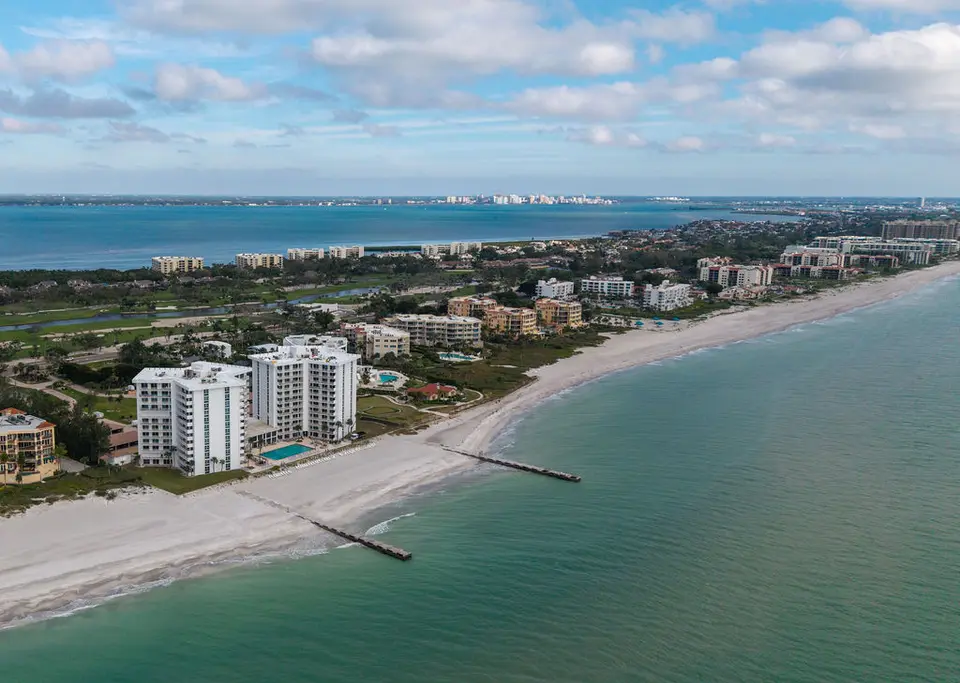
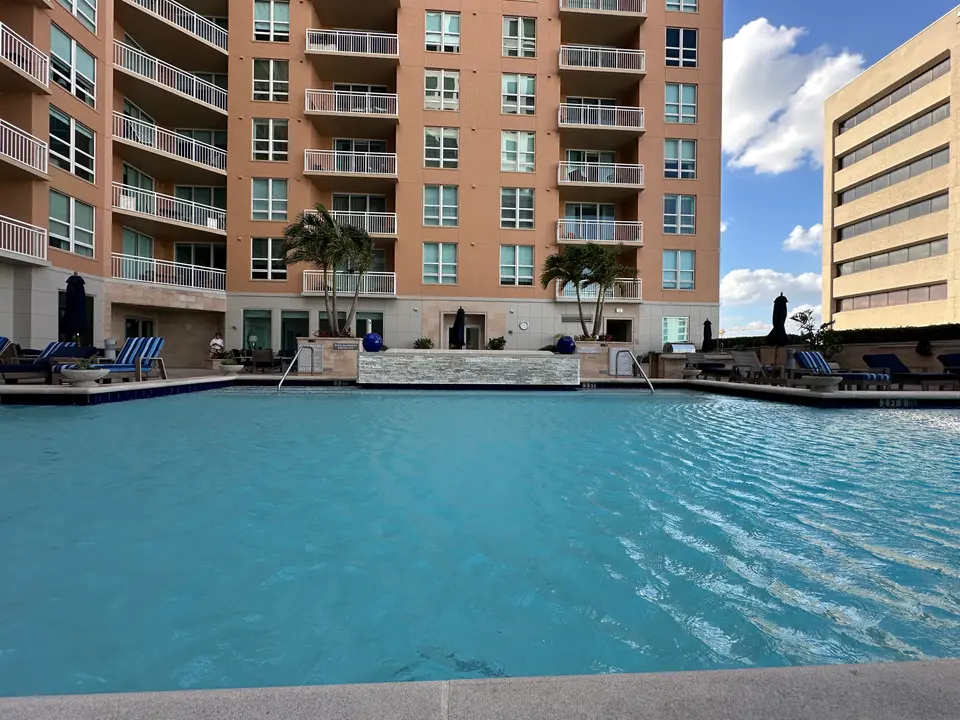
Dues are a monthly cost whether the home is rented or not. In condos they often cover the building’s own insurance and reserves. Florida’s condo safety laws, passed in 2022 and updated since, require milestone structural inspections and structural reserve studies for condo buildings three stories or taller, and they limit how associations can skip funding reserves for key structural items. Some associations have raised dues or levied special assessments to comply. Ask the association for its current budget, reserve study and any planned assessments, and read buying a Sarasota condo to rent out before you make an offer on one. Many newer communities also have a CDD, a special district that pays for roads and utilities through a yearly assessment, usually on the property tax bill.
Property taxes after a sale
The seller’s tax bill isn’t yours. In Florida, a home’s assessed value generally resets after it sells, and a homestead owner’s Save Our Homes cap doesn’t carry over to a buyer who rents the home out. Non-homestead property has its own cap on yearly increases in assessed value (10%, not counting school taxes), but it starts over from the new value. Ask the Sarasota or Manatee County Property Appraiser’s office for an estimate, and talk to your CPA.
Seasonal swings
A seasonal rent isn’t a monthly rent you can multiply by twelve. One of our Longboat Key listings, as of October 2026, is priced at $9,870 a month in high season and $7,000 a month in low season, and in any seasonal home some low season months may go unrented. The sales and tourist tax on stays of six months or less is collected from the renter and passed on, so it isn’t income either. For the homes we manage, Wagner Realty collects and files it.
Vacancy and turnover
Rules of thumb assume the rent never stops. Real rentals have weeks between tenants for cleaning, paint and repairs, and an annual home that turns over in summer may take time to fill. Storms add their own costs: prep, cleanup and repairs that a deductible doesn’t cover.
Costs to count before you trust a rule of thumb
- Rent from recent leases nearby, not asking rents or online estimates
- Empty months between tenants, or in low season
- Property taxes at the assessed value after your purchase
- A landlord insurance quote, flood coverage and the hurricane deductible
- HOA or condo dues, and any planned special assessment
- A CDD assessment, if the community has one
- Repairs and reserves for the roof, AC, water heater and appliances
- Pool, lawn and pest service the lease doesn't assign to the tenant
- Utilities while the home is empty
- Turnover costs, plus linens and furnishings for a seasonal home
- Leasing and management
- The mortgage payment, if you'll have one
How do you run real numbers instead?
With the right inputs, this beats any shortcut.
- Start with a realistic rent. Use what similar homes nearby actually leased for, not what’s listed. For a seasonal home, use separate high and low season rates and count the months each one applies.
- Take off vacancy. Assume some empty time, more for a seasonal home than an annual one.
- Subtract operating costs from the checklist above. What’s left is net operating income.
- Divide by the price to get a cap rate you can compare with other options.
- Subtract the mortgage to see the yearly cash flow, then divide that by the cash you put in.
- Test the bad cases. What happens if insurance goes up, the association levies an assessment, or the home sits empty for two months?
Your lender can confirm the payment, and your CPA can tell you how depreciation and taxes change the picture.
What did this look like on a real rental?
[NEEDS RICHARD: a real example (no names or addresses) of a rental where a rule of thumb looked good but insurance, dues or vacancy changed the math]
What’s the next step?
Start with the rent, since every other number depends on it. Ask for our free rental analysis and we’ll send an annual range, plus a seasonal range if the home fits that market, based on what similar homes actually leased for. If you’re shopping for a rental to buy, set up a buyer consultation and we’ll help you check rent, dues and rental rules before you make an offer. Already own a home and wondering whether to keep it? See should I rent out or sell my Sarasota house? and our annual management page.