Should I rent out or sell my Sarasota house?
How to weigh selling against renting a Sarasota house: your plans, likely sale price vs. rent, carrying costs, association rules and taxes.
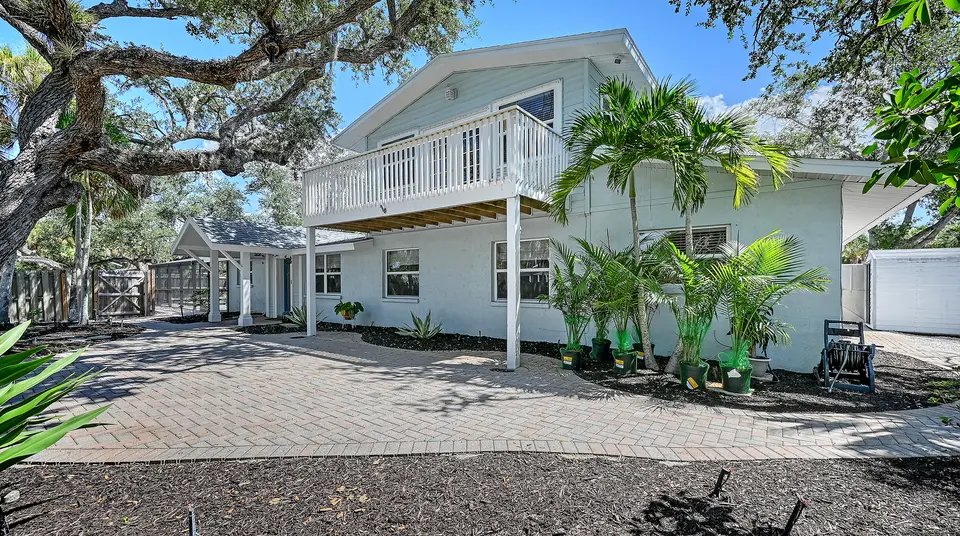
If you need the money, want to be done with the house, or don’t plan to use it again, selling is usually the simpler choice. If you want to keep the home for later, the rent would cover its costs with something left over, and your association allows the lease you have in mind, renting can make sense. The real answer comes from putting both numbers side by side for your actual house, and because we sell homes and manage rentals, we can do that for you.
Here’s what we walk through with owners who ask us this. It’s general information to help you think it through, not tax or legal advice.
What are your plans for the house?
Start with your plans, not the numbers. The math only matters once you know what you want the house to do for you.
A few questions sort most owners out quickly. Will you move back, or want the home as a winter place later? Are you buying another home and need the equity for the down payment? Will you live close by, or in another state or country? Do you have a mortgage rate you’d rather not give up? And how do you feel about being a landlord, even with a manager handling the day to day?
If the honest answer is “I never want to think about this house again,” that counts. A rental that keeps you up at night isn’t worth much, even if it pencils out. And if time matters more than price, or the house needs work you don’t want to take on, we compare a quick sale with listing in cash offer or list it?
What would it sell for, and what would it rent for?
You need two real numbers, not online estimates. Automated values often miss on homes with water, a view or recent updates, and rent estimates have the same problem. We explain why in what’s my Sarasota home worth?
For the sale side, we write a pricing opinion from recent closed sales nearby, what’s for sale and under contract now, and the condition of your home, with an estimate of what you’d net after closing costs. You can request one on our home value page.
For the rent side, we look at what similar homes are actually leasing for right now. An annual unfurnished lease gives you one monthly rent. A furnished seasonal rental has two: high season runs January to April, when rents are highest, and low season runs May to December, when rents drop and some months may sit empty. Our free rental analysis gives you an annual range and a seasonal range if your home fits that market.
Then compare like with like. On one side, the cash you’d walk away with today. On the other, what the rent would leave you each year after costs, plus whatever the home might be worth when you sell later. Nobody can promise where prices will go, so treat that last part as a guess, not a plan.
| Sell | Rent it out | |
|---|---|---|
| Money | Cash at closing, after costs | Monthly rent, minus the costs of keeping the home |
| Your time | Done once it closes | Ongoing, less with a manager |
| Future price changes | No longer yours | You keep any gain, or any loss, until you sell |
| Costs while you wait | None after closing | Taxes, insurance, dues, repairs and empty months |
| Association rules | Matter to your buyer | Can limit or rule out the lease you want |
| Homestead exemption | Ends with the sale | Can be lost once the home is rented |
| Taxes on a later sale | Ask your CPA about the home sale exclusion | Renting first can change how the sale is taxed |
General information, not tax or legal advice. Talk to your CPA before you decide.
What does it cost to keep the house?
The rent has to cover more than the mortgage. Make a list of what the house costs you over a full year:
- Mortgage payment, if there is one
- Property taxes, which can change once the home is no longer your residence
- Insurance, which for a rental is usually a different policy than the one you have now, plus flood coverage if you carry it
- HOA or condo dues, and any special assessments the association has planned
- Repairs and upkeep: AC service, roof, plumbing, appliances, pool and lawn care
- Utilities for any months the home is empty
- Management, if you hire it out
For many Florida homes, insurance is one of the biggest lines on that list, so get a real quote for a rental policy from your insurance agent rather than guessing. Ask the association whether any large projects are coming that could mean an assessment.
Does your association allow the rental you have in mind?
Read your association’s documents before you get attached to a rent number. Many condos and HOAs here set a minimum lease term, limit how many times you can lease in a year, or require the association to approve each tenant. Some have extra rules for owners who bought recently.
Those rules can decide the question on their own. A home that would do well as a winter rental doesn’t help you if the building only allows one lease a year with a long minimum. We read the documents first when we price a rental, so the rent range we give you is one the association will actually allow. Our own minimum is 30 days. We don’t manage shorter stays.
Annual or seasonal: which rent should you compare against?
Annual leasing usually gives steadier income, with one tenant, fewer turnovers and an unfurnished home. Seasonal leasing can bring higher winter rents and lets you keep weeks for yourself, but it means furnishing the home, more hands-on work between stays and months when it may sit empty.
Rentals of six months or less also carry Florida sales tax and the county tourist development tax. For the homes we manage, Wagner Realty collects and files both. We go deeper on the tradeoffs in seasonal or annual for a Sarasota condo.
Who will look after the home once it’s rented?
Someone has to answer the tenant’s call when the AC quits in August, line up storm prep before a hurricane and check the home after it passes, send late notices, and handle an eviction in the rare case it comes to that. If you live far away, that someone usually isn’t you.
When we manage a home, rent and security deposits go through Wagner Realty’s escrow accounts, owner payouts arrive by direct deposit, and you get monthly statements and a year-end summary for your taxes. If you’d rather manage it yourself, we also offer leasing only: we price it, market it, screen applicants against written criteria and prepare the lease, and you take it from there.
What about taxes when you sell later?
This is a question for your CPA, and it’s worth asking before you sign a lease, not after. Federal tax law has an exclusion on the gain from selling a main home that generally depends on owning it and living in it for at least two of the five years before the sale. Renting the home for a while can affect whether you still qualify, and depreciation taken while it was a rental can come into play too.
We’re not tax advisors. What we can do is give your CPA a likely sale price today and a realistic rent range, so the advice is based on real numbers.
What did this look like for an owner we worked with?
[NEEDS RICHARD: a real example from an owner you helped decide between renting and selling (no names): what the home was, what tipped the decision, and the rent vs. sale math in round terms]
What’s the next step?
Get both numbers for your house. Fill out our home value form and choose “Comparing both.” We’ll send a written pricing opinion, usually within 24 hours, along with an annual rent range and a seasonal range if your home fits. Then take both to your CPA and decide with real figures in front of you.