Seasonal or annual: which works better for a Sarasota condo?
Seasonal or annual rental for your Sarasota condo? How high and low season, furnishing, turnovers, taxes, association rules and owner use compare.
An annual lease usually works better if you want steady income, less work and don’t plan to use the condo yourself. A seasonal rental can work better if your association allows shorter leases, the condo is set up to be furnished, and you want higher winter rents or your own weeks in the home. The building’s rules often make the choice for you, so start there.
We manage both kinds of rentals across Sarasota and Manatee, and the answer changes from one condo to the next. Here’s how we think it through with owners.
What do the condo association’s rules allow?
Read the association documents before anything else. Many condo buildings here set a minimum lease term, limit how many times you can lease in a year, or require the association to approve every renter, sometimes with an application fee for each one.
That can settle the question fast. If your building allows only one or two leases a year with a long minimum, a winter season of several short stays isn’t possible, and an annual lease or a single long furnished lease may be the only real choice. If the building allows shorter leases, both options stay open. Our own minimum is 30 days, and we don’t take shorter stays.
When we price a rental, we read the documents first, so the plan we suggest is one the association will actually approve. Rules change, so check the current version, not the copy from when you bought. Florida condo law limits how some new rental restrictions apply to owners who bought before they passed, so if your building changed its rules after you bought, ask a real estate attorney how they apply to you. If you haven’t bought yet, see buying a Sarasota condo to rent out for the rules to check before you sign.
How does the Sarasota rental year work?
Seasonal rentals here follow two seasons. High season runs January to April, when demand for furnished homes peaks and rents are highest. Low season runs May to December, when rents are lower and fewer renters are looking.
- Jan: High season
- Feb: High season
- Mar: High season
- Apr: High season
- May: Low season
- Jun: Low season
- Jul: Low season
- Aug: Low season
- Sep: Low season
- Oct: Low season
- Nov: Low season
- Dec: Low season
High season January to April, low season May to December.
That means a seasonal condo earns most of its year in a few months. The rest of the year it might be rented at a lower rate, used by you, or empty. An annual lease spreads the year evenly: one rent, every month, from one tenant.
Some buildings and locations follow a different pattern. A condo near the beach on Longboat Key and one in a downtown high rise can see different demand, so we set the seasons around your property. The keys also have their own rental rules, covered in Siesta Key rentals.
What does furnishing a seasonal condo involve?
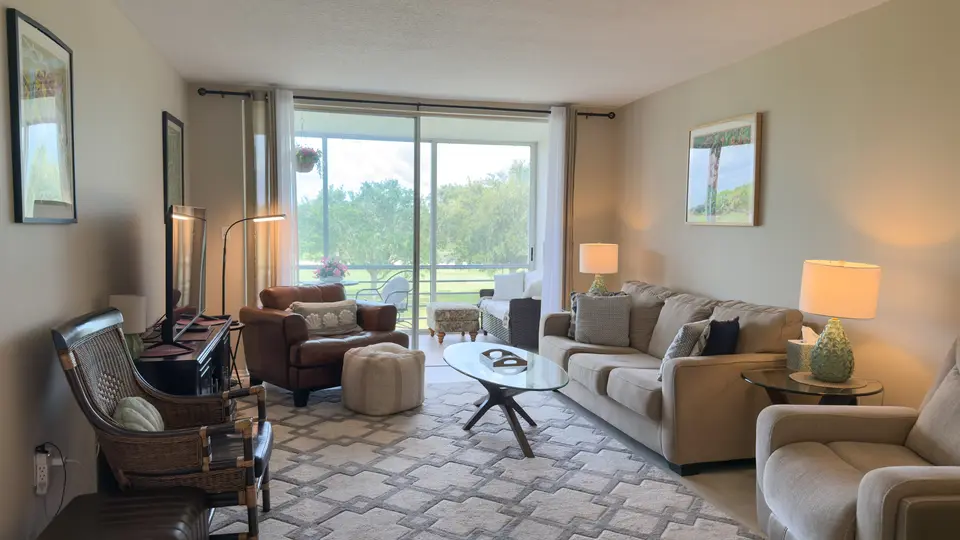
A seasonal condo has to be ready to live in on day one: furniture, a stocked kitchen, linens, towels, working TV and internet. Annual leases here are usually unfurnished, so the tenant brings their own things.
If your condo is already furnished because you use it, you may be most of the way there. If it’s empty, furnishing it is an upfront cost and a project.
How much work is each one between tenants?
Seasonal means more turnovers. Each stay ends with cleaning, a check of the home, repairs lined up before the next arrival, and often a new association approval. That’s several times a year instead of once.
An annual lease has one move-in and one move-out inspection per tenant, plus routine repairs in between. Fewer handoffs also means fewer chances for a gap between renters.
What about the months the condo sits empty?
Vacancy is part of a seasonal plan. Some low season months may go unrented, and you still owe the condo dues, insurance, taxes and usually the utilities while it’s empty. With an annual lease, the tenant usually puts utilities in their own name, and the empty time is mostly the gap between one tenant and the next. Your lease spells out the details.
Empty months also overlap hurricane season. For the homes we manage, we help with storm prep, check the home after a storm passes, and offer vacant-home checks while nobody’s there. How full a season gets depends a lot on how early the condo is listed, which we cover in how seasonal renters find Sarasota rentals.
Do I have to deal with sales and tourist tax?
Yes, if the condo is rented for six months or less. Florida charges sales tax, and Sarasota and Manatee counties charge a tourist development tax, on those stays. The tax is collected on each stay and reported on a regular schedule.
For the condos we manage, Wagner Realty collects and files both, so it doesn’t land on your desk. A written annual lease of more than six months generally doesn’t carry those taxes. How the rental income fits your own tax return is a question for your CPA.
Can I still use the condo myself?
With a seasonal rental, yes. Tell us the weeks you want, whether that’s the holidays or a few weeks in spring, and we block them out before we market the rest of the year. Keep in mind that the weeks you’d most like to use are often the same weeks renters want most.
With an annual lease, the condo is the tenant’s home for the full term. If you want time there yourself, annual leasing usually isn’t the right fit.
How does wear and tear compare?
A seasonal condo has more people coming and going, and furnishings get used by every one of them, so expect to replace linens, dishes and the odd piece of furniture over time. An annual tenant lives with their own furniture, and wear is usually slower and easier to track from one inspection to the next.
So which is steadier?
Annual is steadier. One tenant, one rent, fewer turnovers and fewer surprises in the monthly statement. Seasonal can bring in more during the winter, but income is uneven through the year and depends on how well each season books.
| Seasonal, furnished | Annual, unfurnished | |
|---|---|---|
| Income | Two rates, highest January to April | One rent, every month |
| Furnishing | Fully furnished and stocked | Usually unfurnished |
| Turnovers | Several a year | One per tenant |
| Empty months | Likely in low season | Usually short gaps between tenants |
| Utilities | Usually paid by the owner | Usually in the tenant's name |
| Sales and tourist tax | Applies to stays of six months or less | Generally not on leases over six months |
| Your own use | Weeks blocked out before marketing | None during the lease |
| Association rules | Must allow shorter leases | Easier to fit most minimums |
Your association's documents come first. We check them before we suggest either plan.
Many owners are fine with uneven income if they get winter rents and their own weeks. Others would rather have a predictable deposit every month. Both are reasonable. Our annual management page and seasonal management page go into how each one runs day to day.
What did this look like for a condo we manage?
[NEEDS RICHARD: a real example from a condo you moved from seasonal to annual, or back: what the building’s rules were and what made the owner switch]
What’s the next step?
Ask for our free rental analysis. We’ll read your association’s rules, look at what similar condos nearby are renting for, and send you a high season and low season range plus an annual number, so you can compare them for your condo. If you’re also weighing a sale, see should I rent out or sell my Sarasota house?