Hurricane season for rental owners: before, during, after
A hurricane season plan for Sarasota and Manatee rental owners: insurance, documents, tenant notices, storm prep, post-storm checks and claims.
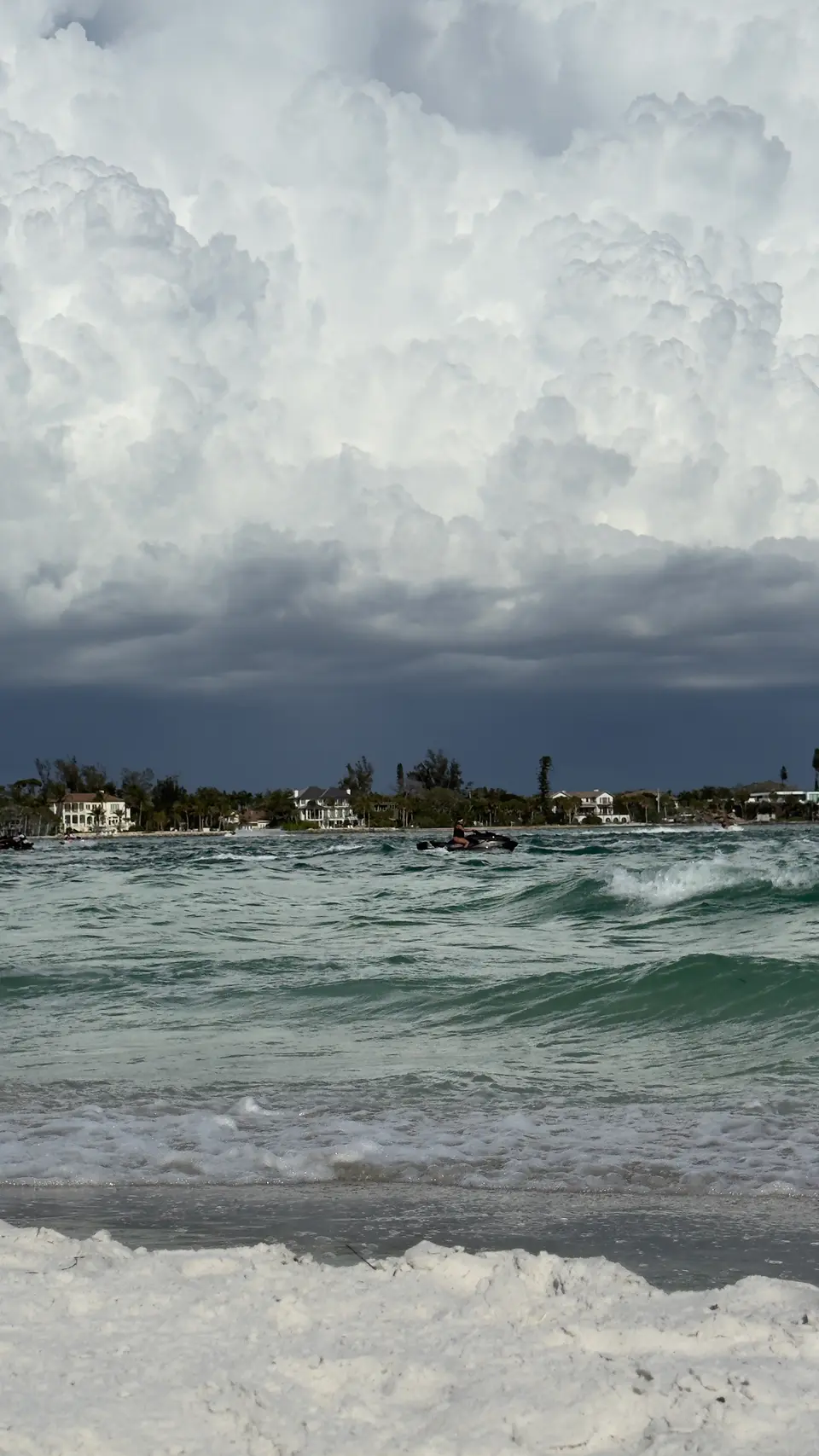
Hurricane season runs June 1 to November 30, and most of what protects a rental home happens before a storm is ever named. Review your insurance in spring, have your records and photos ready, and settle with your tenants who handles shutters and outdoor items. After a storm, the home needs a check, photos of any damage and a call to your insurer.
Below is how we handle each stage for the homes we manage, and what owners should handle themselves. It’s general information, not legal or insurance advice.
A rental owner's hurricane season
-
Spring, before June 1
Review insurance and documents
Read your policy with your agent, check flood coverage and your hurricane deductible, and save photos of the home and copies of key papers.
-
Early in the season
Set the plan with tenants and vendors
Tell tenants how storm notices will work, confirm who handles shutters and outdoor items, and line up vendors.
-
A storm is forecast
Prep the home
Shutters up, outdoor furniture and loose items in or tied down, drains clear, and everyone knows how to reach the manager.
-
During the storm
Stay safe and stay reachable
Follow county evacuation orders. Nobody should go to the home until officials say it's safe.
-
Right after
Check the home and take photos
Walk the outside and inside, photograph damage before any cleanup, and stop further damage where it's safe to do so.
-
The weeks after
Claims, repairs and records
Report the claim, keep every invoice and photo, get repairs scheduled and keep tenants and owners updated.
What should rental owners do before hurricane season?
Review your insurance. Do this in spring, not when a storm is on the map. Once a storm threatens, insurers usually stop writing new policies or changing coverage until it passes (a binding moratorium). Sit down with your agent and ask:
- Is the policy written for a rental, not a home you live in?
- What’s the hurricane or named storm deductible, and what would you actually pay out of pocket?
- Do you have flood coverage? Standard policies usually don’t cover flood, and a new National Flood Insurance Program policy generally doesn’t take effect until 30 days after purchase.
- Is there loss of rent coverage if the home can’t be rented while it’s repaired?
We’re not insurance agents, so the answers have to come from yours.
Get your documents together. Keep digital copies of the policy, the declarations page, your lease, your management agreement, any elevation certificate and recent receipts for big items like the roof or AC. Take date-stamped photos or a video walkthrough of every room and the outside of the home. That record makes a claim much easier.
Talk to your tenants. Tell them how storm updates will reach them, who to call, what the lease asks of them (for example, bringing in patio furniture), and what to do if the county issues an evacuation order. Remind them that your policy generally doesn’t cover their belongings, and that renters insurance does.
Plan for shutters and outdoor items. Know what your home has: hurricane-rated windows, accordion or roll-down shutters, or panels that someone has to put up. Check that panels are labeled and the hardware is there. Decide who puts them up and who takes them down. Make a list of everything outside that could become a projectile: furniture, grills, planters, pool equipment covers.
For the homes we manage, we help arrange the prep your home needs before a storm, and we line up the vendors ahead of time so you’re not calling around when everyone else is.
What happens during a storm?
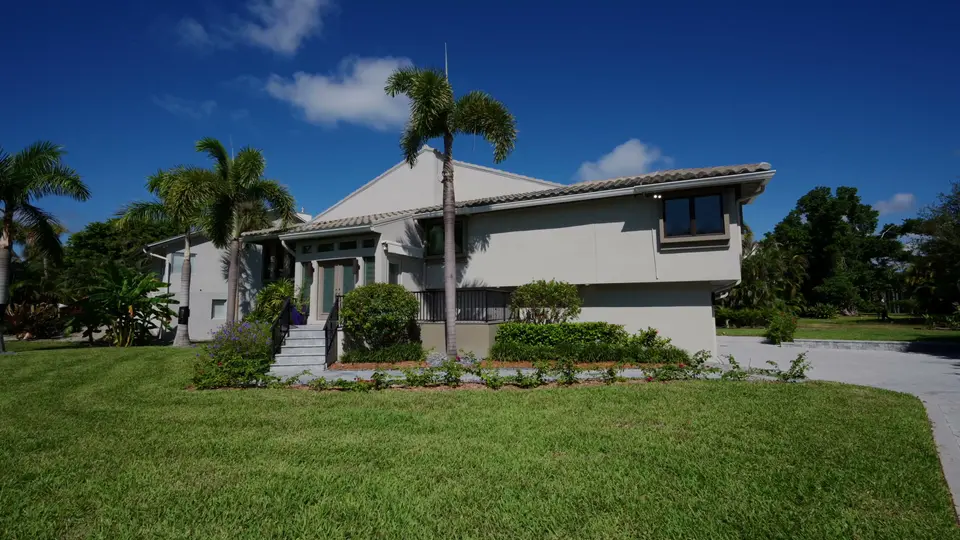
Safety first. Sarasota and Manatee counties each publish evacuation zone maps you can search by address, so know the home’s zone before June and share it with your tenants. If the county orders that zone out, tenants should go, and nobody should go to the property until officials say the roads are clear. No repair is worth a person getting hurt.
During the storm, the job is staying reachable. Keep your phone charged, know how the manager will reach you, and wait. Don’t send vendors or anyone else to check on the home while conditions are still dangerous.
[NEEDS RICHARD: what the team did before and after the 2024 storms at managed homes (prep, checks, how fast owners heard back)]
What should you do after a storm?
Check the home. Once it’s safe, someone needs to walk the outside and the inside. Look at the roof, windows, doors, ceilings, floors, the pool cage, fences and the AC unit. Check for water inside, even small stains. For the homes we manage, we check on the home after a storm and report back to you.
Take photos before anything is cleaned up. Photograph every bit of damage, with wide shots and close-ups. Then take reasonable steps to stop more damage, like a tarp on a roof or drying out a wet room, and keep the receipts. Your insurer will want to see both.
Start the claim. Call your insurer or agent as soon as you can and get a claim number. Write down who you spoke to and when. Ask what they need from you and whether an adjuster will visit.
Line up repairs. After a big storm, roofers, water mitigation companies and electricians get booked fast. Having vendor relationships in place before the season is what gets a home on the list. Be careful with anyone who shows up unasked and wants a signature or payment up front.
Who’s responsible for what after a storm?
This is where owners and tenants most often disagree, so it’s worth knowing in general terms before anything happens.
The owner is generally responsible for the structure of the home and for repairs that keep it livable, and for insuring the building. The tenant is generally responsible for their own belongings, which is why renters insurance matters, and for whatever storm prep tasks the lease assigns them.
When a storm damages a rental so badly that the tenant can’t really use it, section 83.63 of the Florida Statutes lets the tenant end the lease and move out, or leave just the damaged part and pay less rent for it, as long as the tenant didn’t cause the damage. The tenant also has to get a chance to collect belongings once it’s safe. How that plays out depends on the facts and the lease.
Access matters too. Florida law generally asks for 24 hours’ notice before entering for repairs, but lets a landlord enter at any time to protect or preserve the property, which covers urgent work like tarping a roof.
For the homes we manage, we keep you and the tenant updated, coordinate repairs and keep the records together for your claim and your year-end summary.
Does an empty home need a different plan?
Yes. A seasonal home between stays, or a home waiting for its next tenant, has no one inside to notice a leak or a failing AC. That’s where vacant-home checks and a post-storm check matter most. Our post on home watch or property management has a full checklist for empty homes in summer.
If you’re deciding who should handle all of this, our guide to what a Sarasota property manager does covers storm work along with everything else, and our owner FAQ answers the most common storm and insurance questions.
What’s the next step?
If you’d like storm prep and post-storm checks handled by someone local, talk to us about management. Start with a free rental analysis, or see the full list of what’s included. You can also call Richard at 941-800-8891.