What's my Sarasota home worth? Why online estimates miss
How Zestimates and other online home values work, why they often miss on Sarasota condos and waterfront homes, and what a real pricing opinion checks.
Your Sarasota home is worth what a buyer will pay for it today, based on what similar homes nearby have actually sold for. Online estimates give you a starting point, but they often miss here, because the things that move price the most in Sarasota (water, views, the floor and building of a condo, recent updates, flood zone and insurance) are the things an algorithm sees least clearly. For a number you can plan around, get a written pricing opinion from someone who has been inside homes like yours.
How do Zestimates and other online estimates work?
Sites like Zillow, Redfin and Realtor.com each run an automated valuation model, which is a formula that predicts a home’s value from data. They start with public records: square footage, bedrooms, bathrooms, lot size, year built and the last sale price. They add recent sales nearby, listing data from the MLS where they have it, and anything an owner has updated on the site.
The model then finds homes it thinks are similar and adjusts for the differences it can measure. That works reasonably well in a neighborhood of similar houses with lots of recent sales. It works less well when the home is unusual, the records are out of date, or few similar homes have sold recently.
Each company publishes its own accuracy figures. Read them closely and you’ll see the estimates are typically closer for homes that are listed for sale (when the model can lean on the asking price) than for homes that aren’t.
Why do online estimates miss in Sarasota?
Because so much of the value here comes from things that don’t show up in a county record.
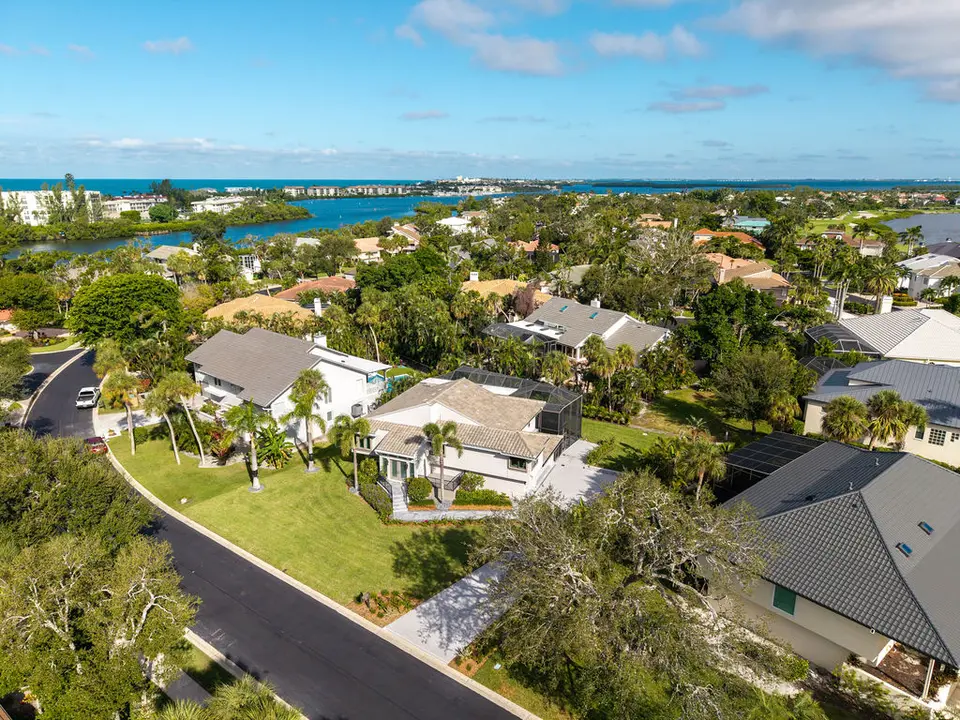
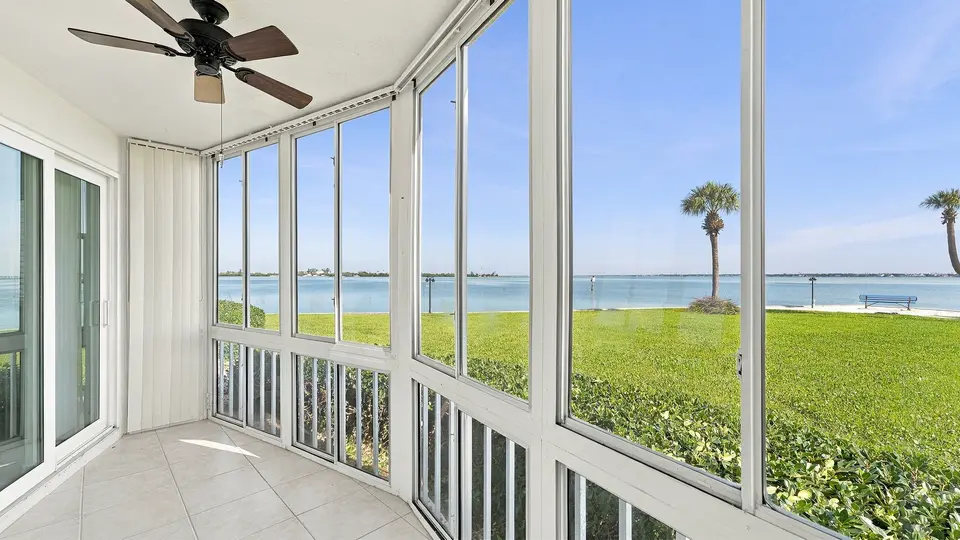
Water and views. Two houses on the same street can be very different homes if one backs up to open bay water and the other faces the street. A canal with quick access to the bay is not the same as one with fixed bridges between you and open water. The model often knows “waterfront” at best, not which kind.
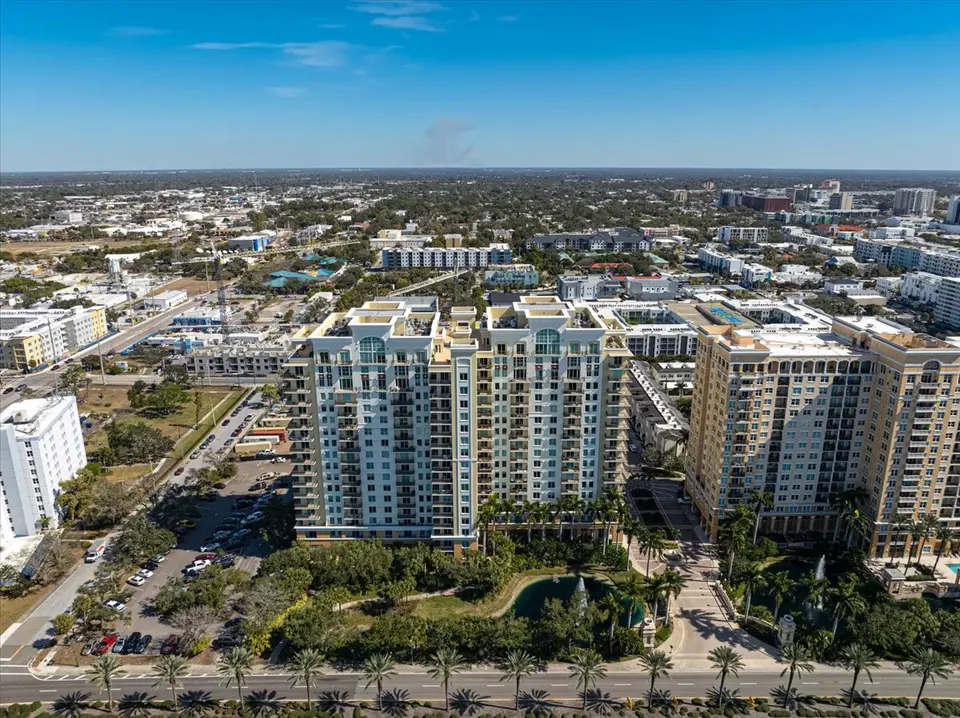
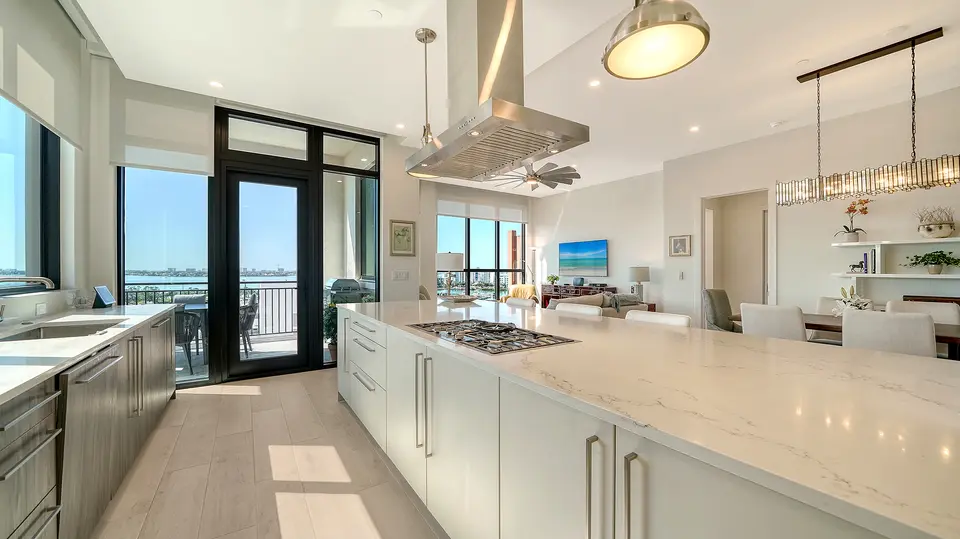
Condo floor, view and building. In a downtown or island tower, a high-floor unit facing the bay and a low-floor unit facing the parking garage can share a floor plan and sell far apart. The building matters too: its reserves, its amenities, its rental rules and any coming assessment all change what buyers pay. An algorithm usually prices by square foot and ZIP code.
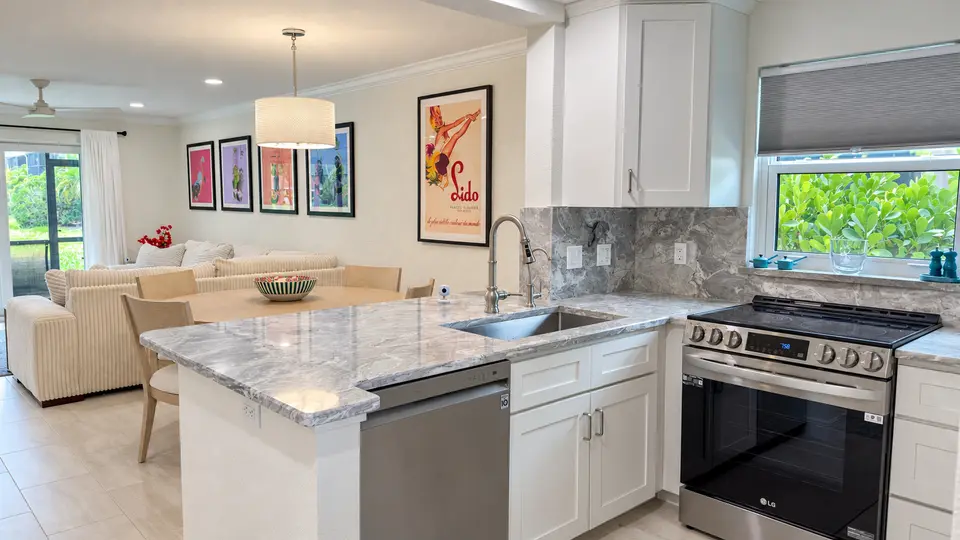
Updates and condition. A kitchen redone last year and one from the 1990s look the same in public records. So does a new roof versus an old one, and here the roof age can change how easy the home is to insure.
Flood zone and insurance. Buyers ask about the flood zone, elevation and the cost of insurance early. A home with a lower flood zone or an elevation certificate that helps on premiums can draw more buyers than a similar one down the road. Most models don’t price that in.
| What the online estimate sees | What buyers pay for | |
|---|---|---|
| Location | ZIP code and street | Which way it faces, what is across the street, how close the water is |
| Water | Waterfront: yes or no | Open bay, canal or lake, bridges to open water, dock and seawall condition |
| Condo | Square feet and bedrooms | Floor, view, building reserves, rental rules, any planned assessment |
| Condition | Year built | Roof age, AC age, kitchen and baths, impact windows |
| Flood and insurance | Often nothing | Flood zone, elevation, likely insurance cost |
| Market timing | Sales from recent months | What is under contract right now, and how fast |
General comparison. Every home is priced on its own facts.
What does a real pricing opinion check?
When we price a home, we start where the model starts, with recent sales, and then do the part it can’t. We look at:
- Recent closed sales in your building, street or community, and why each one sold where it did
- What’s for sale and under contract now, and how long homes are taking to sell
- Your home’s view, condition, updates and lot
- Association rules, dues and approvals that buyers will ask about
- Flood zone, elevation and insurance questions that come up with buyers
- An estimate of what you’d net after closing costs (an estimate, not a guarantee)
You get it in writing, usually within 24 hours, with the sales we used so you can see the reasoning. You can request one on our home value page.
How do you read comparable sales yourself?
If you want to check any price, yours or ours, here’s how to read the comps.
Use closed sales first. A closed sale is what a buyer actually paid. Active listings show what sellers hope to get, and many of them will sell for less or not at all. Homes under contract tell you where the market is heading, but the final price usually isn’t public until closing.
Stay close and recent. The most useful comps are in the same building or community, sold within the last few months. Go back further only when there aren’t enough recent sales, and remember the market may have moved since.
Compare like with like. Match the view, the floor, the water and the condition before you match the square footage. A larger home with no view is not a good comp for a smaller one on open water.
Be careful with price per square foot. It’s useful inside one building or one subdivision. Across different kinds of homes it can mislead, because a view or a dock doesn’t add square feet.
Look for the story behind odd sales. A sale far above or below the others often has a reason: a full remodel, a home sold as is, a sale between relatives, or seller credits that lowered the real price. Leave those out or adjust for them.
What did this look like on a home we priced?
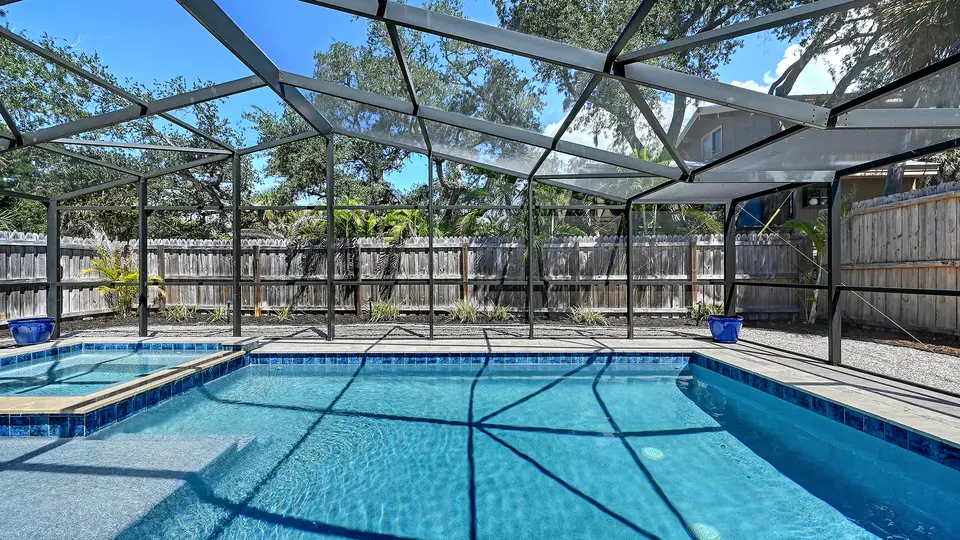
[NEEDS RICHARD: a real example of a recent sale where the online estimate was far off (no names or address): what the home was, what the estimate said in round terms, what it sold for, and why (water, view, updates)]
Should you price your home at the online estimate?
Not without checking it. Price too high and the home sits, collects price reductions and can end up selling for less than it would have at the right number. Price too low and you leave money behind. Buyers here look at the same online estimates you do, but the ones who have toured homes in your area know when a number is off.
If you’re not sure selling is the right move at all, read should I rent out or sell my Sarasota house. We can put a rent range next to your sale price with our rental analysis. For the bigger picture on where prices are going, see are Sarasota home prices dropping, and when you’re ready to list, getting a Sarasota home ready to sell covers what to fix first. Condo owners downtown can also see our downtown Sarasota area page.
What’s the next step?
Ask for a real number. Fill out our home value form and we’ll send a written pricing opinion, usually within 24 hours, with the sales we used and an estimate of your net. It’s free, and there’s no obligation to list.