Siesta Key rentals: seasons, 30-day stays and owner rules
What Siesta Key owners should know before renting: high season demand, monthly and seasonal stays, zoning and association rules, and rental taxes.

A Siesta Key home can do well as a furnished monthly or seasonal rental, because winter demand for the island is strong and many renters come back year after year. Whether yours can depends on two sets of rules for the exact address, the county rules and your association, plus how the home is set up. Get those right first, then price for the season.
We lease and manage seasonal homes on Siesta Key and across Sarasota and Manatee. This is what we walk through with owners before we list one. It’s general information, not legal or tax advice.
When do Siesta Key renters book?
Seasonal rentals here follow a simple pattern. High season runs January to April. That’s when furnished homes on the island fill first, rents are highest and the best weeks go early. Low season runs May to December, with lower rents, fewer renters looking and more open time on the calendar.
- Jan: High season
- Feb: High season
- Mar: High season
- Apr: High season
- May: Low season
- Jun: Low season
- Jul: Low season
- Aug: Low season
- Sep: Low season
- Oct: Low season
- Nov: Low season
- Dec: Low season
Our general pattern for furnished seasonal homes. Some homes book earlier or hold demand later, so we set the seasons around the property.
That shape affects how you plan. A seasonal home earns most of its year in a few winter months. The rest of the year you can rent at a lower rate, keep weeks for yourself, or let the home sit with regular checks. Planning starts well before January. Many winter renters look the summer or fall before, and returning renters often ask about next year before they leave.
Monthly, seasonal or annual: which stays work on Siesta Key?
Most of our Siesta Key rentals are furnished stays of a month or longer. A monthly renter might take February only. A seasonal renter might take January through April. Some owners mix the two: a full winter season, then a couple of shorter monthly stays in late spring or fall.
Annual unfurnished leases are less common on the island, but they fit some homes, especially ones away from the beach or owners who want one steady rent and less turnover. We cover that choice in more detail in seasonal or annual for a Sarasota condo.
Our minimum is 30 days. We don’t manage nightly or weekly rentals. If you’re weighing a vacation rental with short stays, that’s a different business with its own license, cleaning schedule and wear on the home, and the rules on Siesta Key may not allow it at your address.
What rules apply to your exact address?
This is where Siesta Key gets more involved than most of this coast. Two homes a few streets apart can have different answers.
County rules. Most of Siesta Key is unincorporated Sarasota County, so county zoning and codes usually apply. Florida law limits how local governments can regulate rental stays, but zoning, older county rules and neighborhood deed restrictions can still affect how a home is rented. Check with Sarasota County for your parcel, not the neighborhood in general.
Your association. Many Siesta Key condo buildings and some homeowner associations set their own minimum stay, cap how many times you can rent in a year, or require approval for each renter. Association rules are often stricter than the county’s. You have to follow both, so the stricter rule is the one your plan has to fit.
State licensing. Rentals of less than 30 days can require a Florida vacation rental license. Staying at 30 days or longer usually keeps a home out of that category, but confirm it for your situation.
Rental taxes. Rentals of six months or less generally owe Florida sales tax and the Sarasota County tourist development tax on each stay. For the seasonal homes we manage, Wagner Realty collects and files both, so you don’t have to register and report on your own.
Check these before you rent a Siesta Key home
- County zoning and any deed restrictions for your exact parcel
- Association minimum stay, number of rentals per year and approval process
- Whether any planned stay is under 30 days (state license question)
- Sales tax and tourist tax registration, or a manager who collects and files
- Insurance that covers rental use, including flood and wind
- Parking spaces and any limits on renter vehicles
- Pet rules from the association and your own policy
Rules change, at the county and in Tallahassee, so read the current association documents and the current county code, not the copy from when you bought. When something is unclear, talk to a real estate attorney before you sign a lease. When we price a Siesta Key rental, we read the documents first so the plan we suggest is one the building will actually approve.
The Village or the south end: does location change the rental?
It does. The island is small, but the parts of it rent differently.
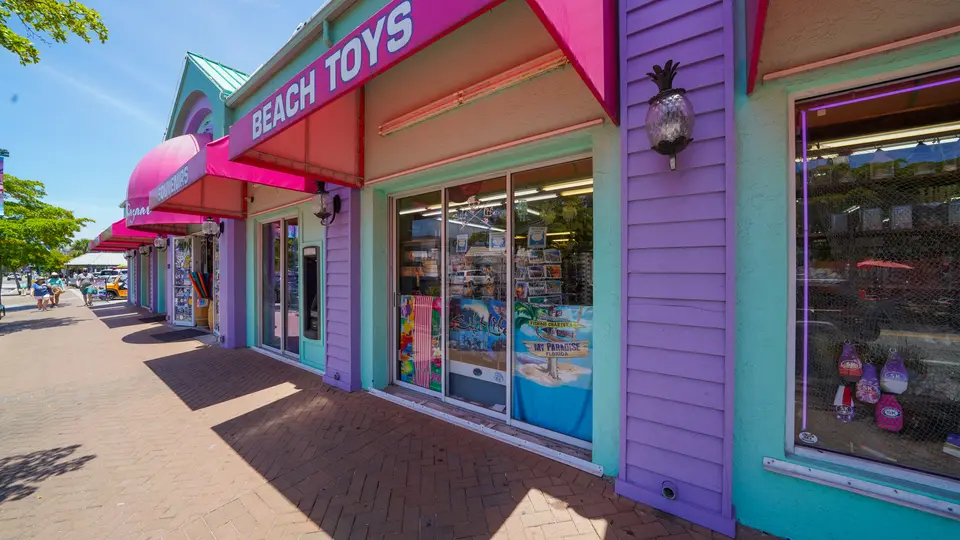
Siesta Key Village, on the north end, packs restaurants, shops and bars into a few walkable blocks. Homes and condos near it rent on the ability to walk to dinner and to the beach. They also come with more evening activity and tighter parking, so renters ask about both.
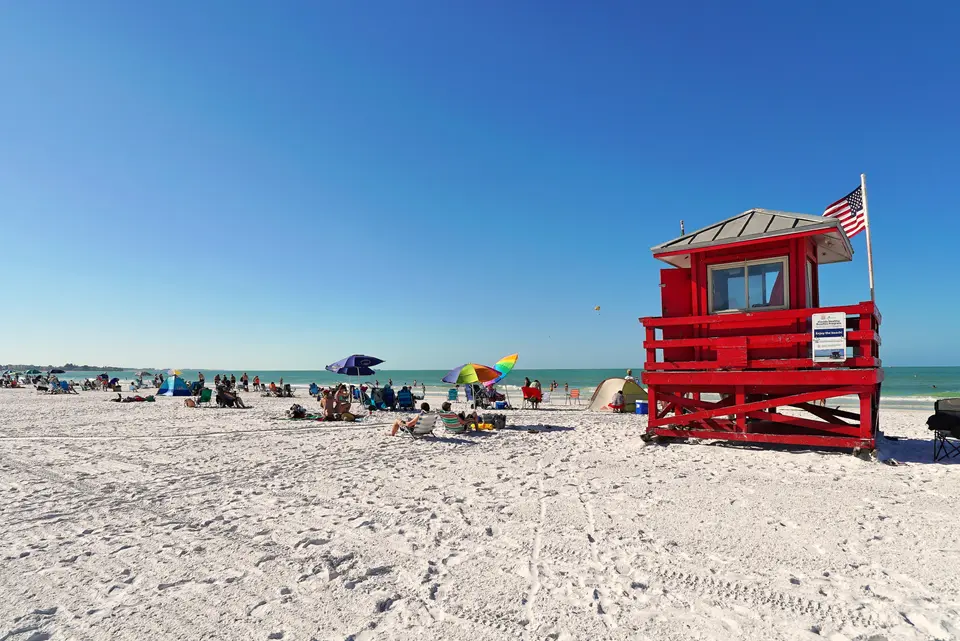
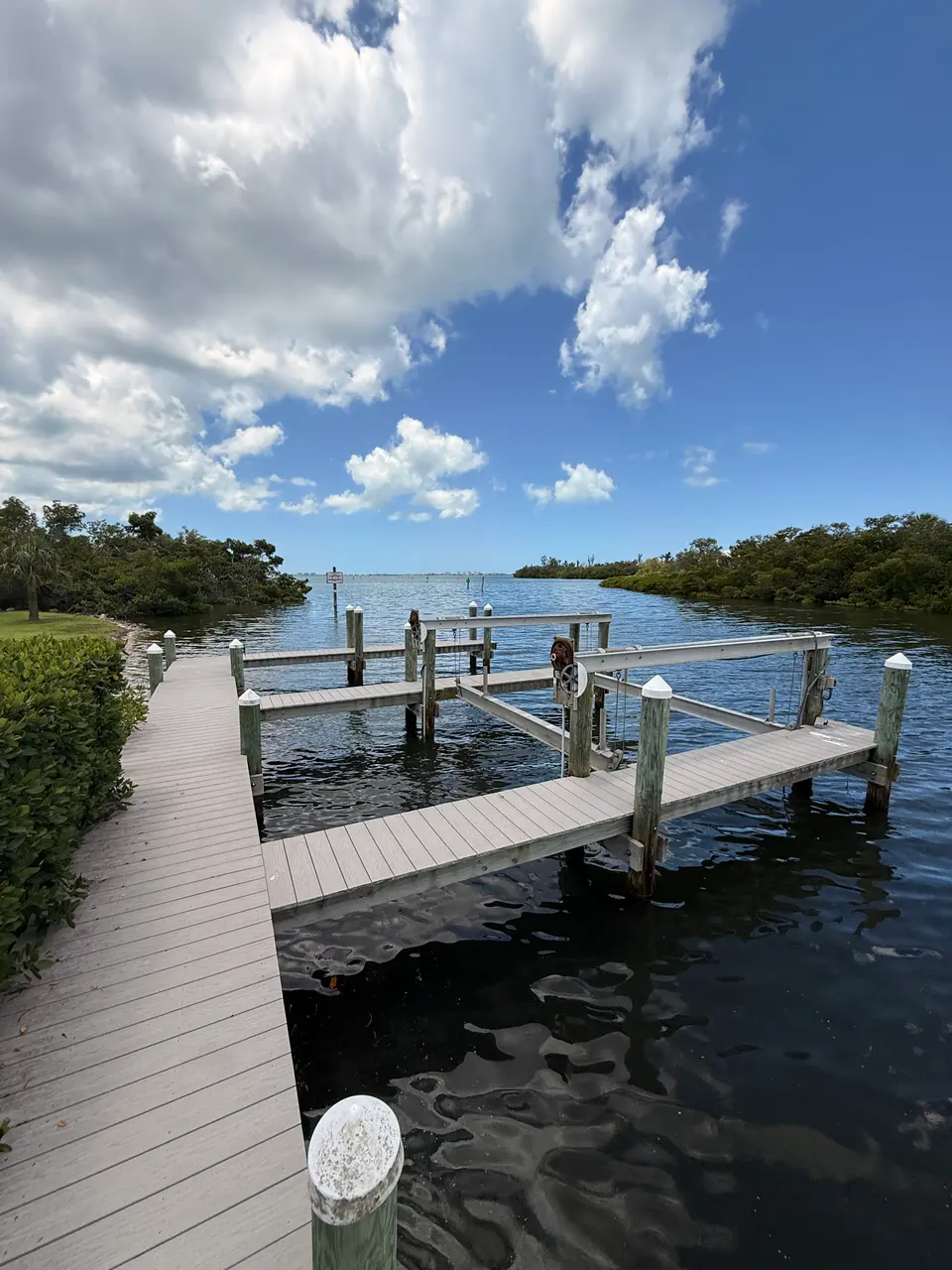
Mid-island is Siesta Beach, with its public park, pavilion and lifeguard stands. Farther south you reach Crescent Beach and Point of Rocks, then Turtle Beach near the south end. Away from the Village, the island is mostly homes and condos on the Gulf, on the bay and along canals. These parts of the island are quieter at night, many of the homes have pools, and bay and canal homes often have docks.
Bay and canal homes rent on different features than Gulf-front condos. A dock, a pool and room to park a boat trailer matter more than a short walk to the sand.
What do Siesta Key renters ask for?
The questions come in a predictable order. How far is the walk to the beach? Where do we park, and how many cars fit? Is there a pool? Is the Wi-Fi fast enough to work from? Are pets allowed? How long is the drive to the Village or to downtown?
After that, renters look at how ready the home is. Seasonal renters expect a home they can live in from day one: a stocked kitchen, good beds, linens, a washer and dryer, and beach basics like chairs, an umbrella and a cart. Clear check-in instructions, quick repairs and a clean home at arrival are what bring renters back the next winter.
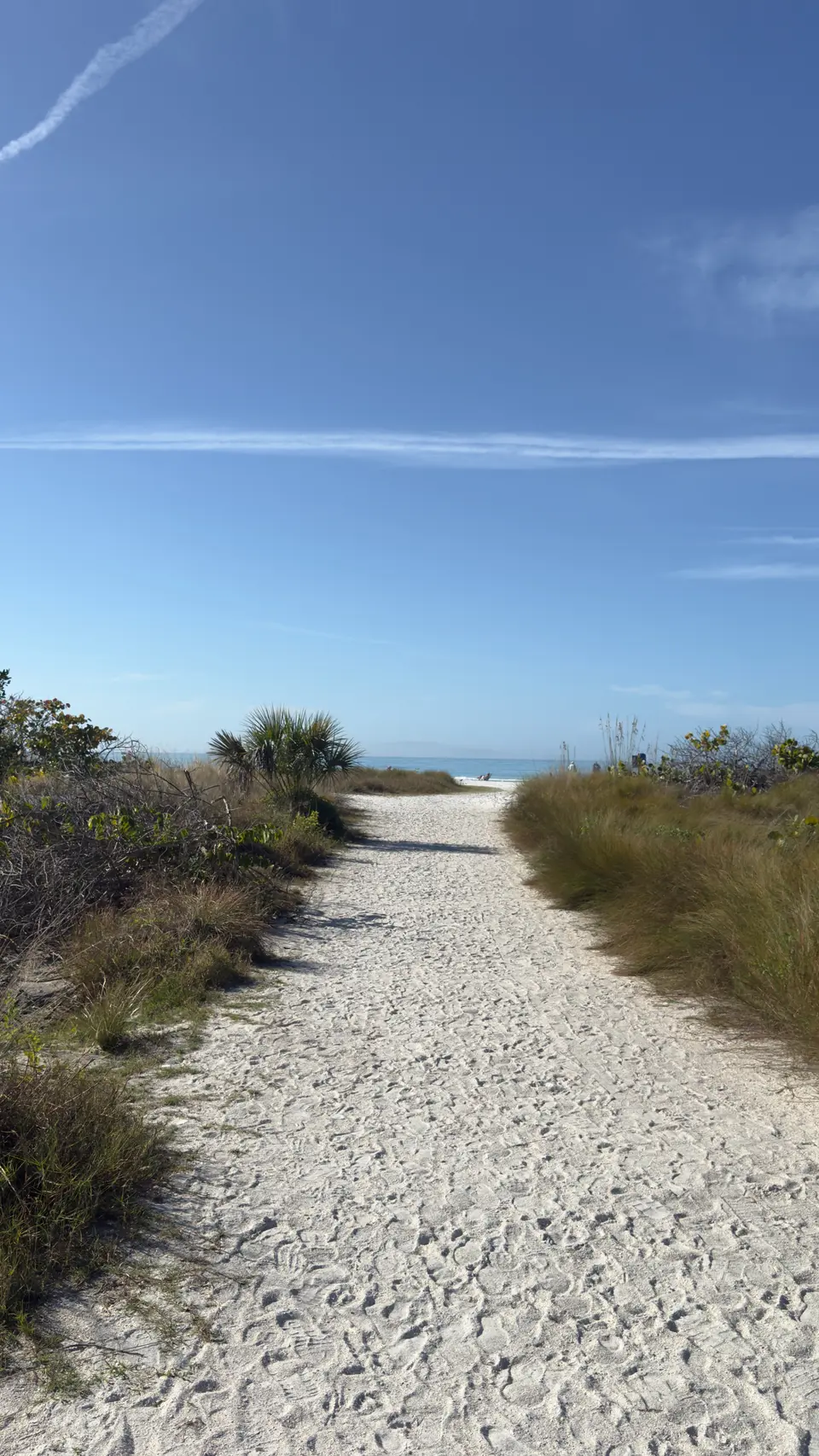
We cover how renters search for these homes and how to reach them in how seasonal renters find a Sarasota rental.
What does a seasonal home we manage on Siesta Key look like?
You can see all of our current seasonal and annual homes on our rentals page.
What does a manager handle on a Siesta Key rental?
A seasonal home has more moving parts than an annual lease. There are more stays, more turnovers and more questions from renters, often from out of state. When we manage a Siesta Key home, we price each season, market it, screen renters, prepare the lease, coordinate cleaning and repairs between stays, and check the home when it’s empty.
Rent and security deposits are held by Wagner Realty, owner payouts arrive by direct deposit, and Wagner collects and files the sales and tourist tax on each stay. In hurricane season we help arrange storm prep and check the home after a storm passes. Our seasonal management page walks through how a season runs from listing to checkout.
[NEEDS RICHARD: a real example from a Siesta Key owner (no names): how the zoning or association rules shaped the rental plan, or what one change to the home did for rebookings]
Buying on Siesta Key with renting in mind?
If you don’t own yet, read the rental rules before you make an offer. The zoning and association rules can decide whether a home can rent the way you plan. We compare the three main islands for buyers in Longboat Key, Siesta Key or Lido Key.
What’s the next step?
Find out what your Siesta Key home would rent for, by the month and by the season. Request our free rental analysis. We’ll check the rules that apply to your address and send a seasonal range, plus an annual range if your home fits that market.