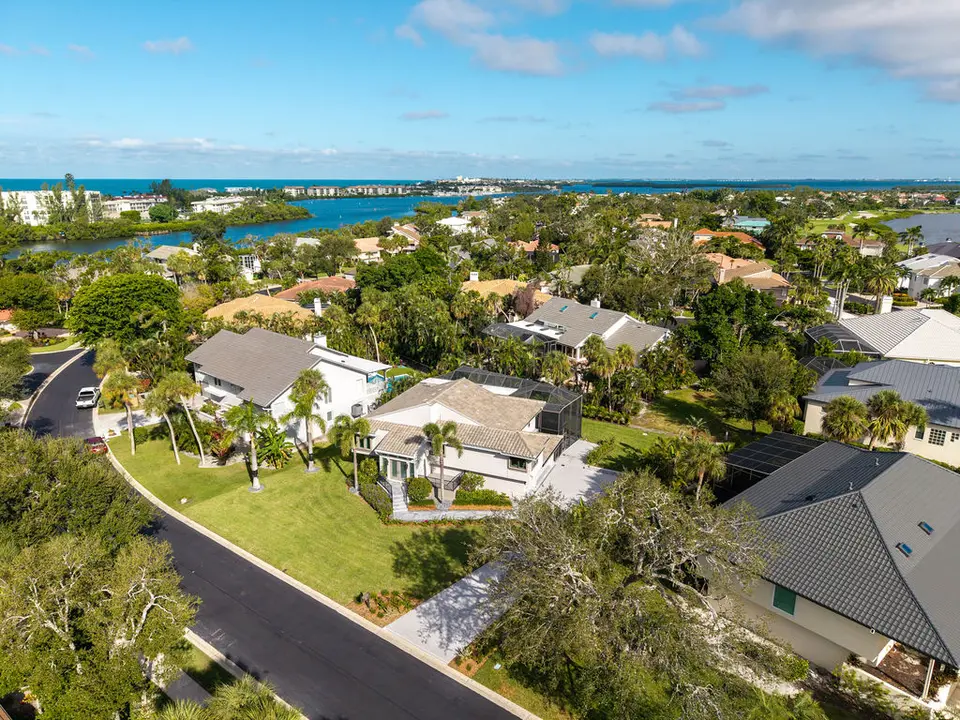
Getting a Sarasota home ready to sell: fix, skip or disclose
What to fix before you sell a Sarasota home, what to skip and what to disclose: roof and AC age, insurance inspections, updates, photos and disclosure.
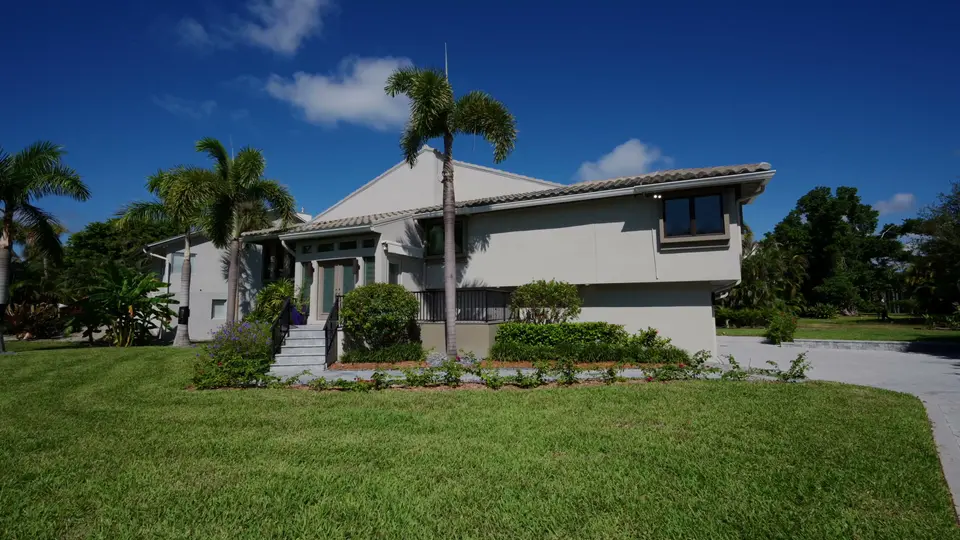
Fix what’s broken or unsafe, and anything that would stop a buyer from getting insurance or a loan, starting with the roof and AC, which buyers’ insurers look at closely here. Skip big remodels, since you rarely get the cost back by the time you sell. Disclose what you know, then clean, declutter and get good photos and video.
What should you fix before you list?
Start with anything a buyer’s inspector will flag as a safety issue or an active problem: leaks, electrical hazards, a broken AC, rotted wood, a pool pump that doesn’t run. Those come up in inspection anyway, and a buyer will often ask for more in credits than the repair would have cost you.
Then think about insurance. Buyers here need homeowners insurance to close, and many lenders won’t close without it. If the roof, electrical panel or plumbing would make the home hard to insure, the pool of buyers shrinks, sometimes to cash buyers only. Our post on cash offers and selling as is covers when that’s a fine outcome and when it isn’t.
How much do the roof and AC matter?
A lot. They’re two of the first things buyers ask about, along with flood zone and insurance.
Roof. Many insurers look at a roof’s age and condition before they’ll write a policy, and older roofs can mean higher premiums or a policy that’s hard to get. If your roof is near the end of its life, get a roofer’s inspection and a written quote before you list. Then you can decide whether to replace it, offer a credit, or price the home to reflect it.
AC. Summer here is long, and a failing system is one of the first things a buyer notices. Get it serviced before you list and keep the record. If it’s old, have the receipt for the last service ready and know its age, because buyers will ask.
What are 4-point and wind mitigation inspections?
These are two inspections Florida insurers use, and they’re worth knowing about before a buyer orders them.
A 4-point inspection looks at the roof, electrical, plumbing, and heating and air conditioning. Insurers often ask for one on older homes. If yours would show an old electrical panel or plumbing type that insurers don’t like, it’s better to know before you list.
A wind mitigation inspection documents the features that help a home stand up to wind, like how the roof is attached, the roof shape and whether the windows and doors have storm protection. Those features can lower a windstorm premium. If you already have a recent report, share it. Buyers like seeing what insurance might cost.
Neither one is required to sell, and the details vary by insurer. Your insurance agent can tell you more.
| Usual call | Why | |
|---|---|---|
| Active roof leak | Fix | It will show up in inspection and can stop a buyer from getting insurance |
| Older roof that is not leaking | Inspect and get a quote | Lets you replace, credit or price it with real numbers |
| AC not cooling | Fix | Buyers notice right away, and it raises questions about the rest of the home |
| Old electrical panel or plumbing | Ask an electrician or plumber first | Can make a home hard to insure, which narrows your buyers |
| Peeling paint, worn carpet, dated light fixtures | Often fix | Low cost and shows up in every photo |
| Full kitchen or bath remodel | Usually skip | Costly, slow, and buyers may want their own choices |
| Past leaks, flooding, storm damage or repairs | Disclose | Florida sellers must disclose known problems a buyer could not easily see. Ask an attorney |
General guidance. Every home is different, and we look at yours before suggesting anything.
Which cosmetic updates are worth it?
The ones that are cheap, quick and show up in photos. Fresh neutral paint, new light fixtures where the old ones are dated, replacing stained carpet, cleaning grout, power washing the driveway and pool deck, and having a roofing company soft wash the roof (high pressure can damage roof tiles and shingles). Trim shrubs and trees back from windows and the roofline, and replace dead plants.
Skip the projects that take months or need permits. A new kitchen rarely brings back what it costs by the time the home sells, and it pushes your listing date later. If the kitchen is dated, clean it, update the hardware or lighting, and price the home for what it is.
How much should you declutter?
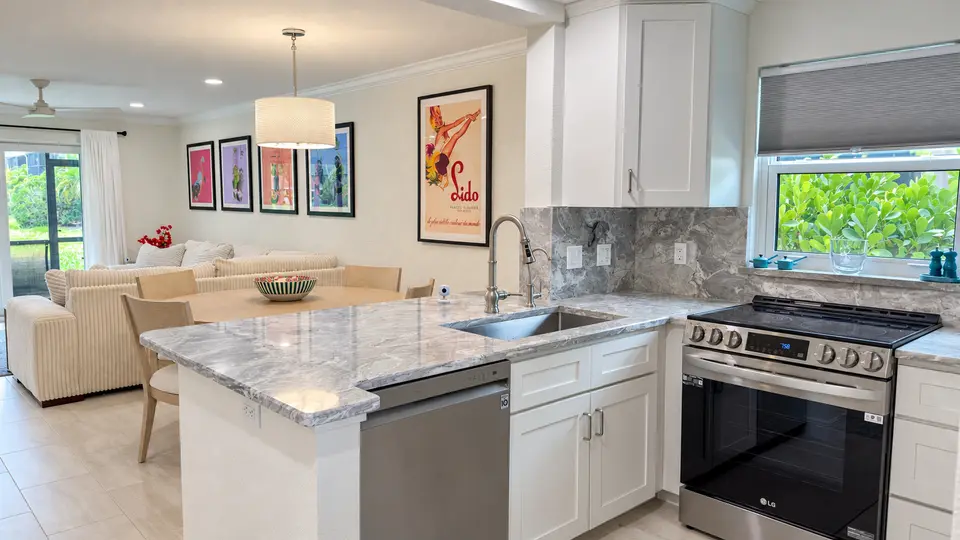
More than feels necessary. Buyers here often tour homes online first, sometimes from out of state, so the photos are the first showing. Clear the counters, take down most of the personal photos, pack up half of what’s on the shelves, and pull extra furniture out of rooms so they read bigger.
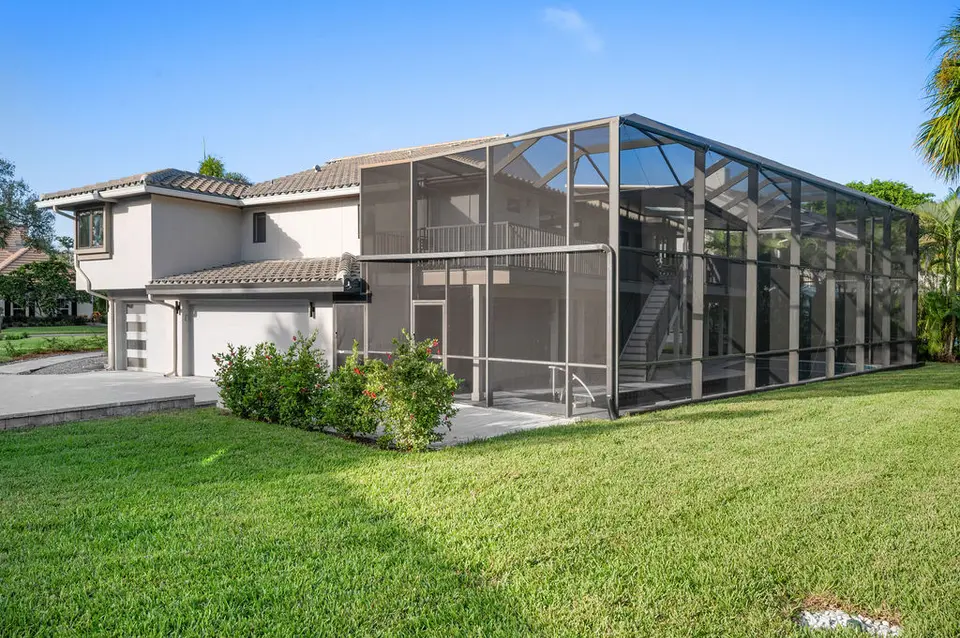
Outside, set up the lanai and pool deck so they look ready to use. In Sarasota the outdoor space is a big part of what buyers are paying for.
Before photo and video day
- Clear kitchen and bathroom counters completely
- Open every blind and turn on every light
- Remove cars from the driveway and bins from the side of the house
- Clean the pool and set out the lanai furniture
- Put away pet bowls, beds and toys
- Make the beds and set out fresh towels
- Clean windows and sliding doors, inside and out
- Hide cords, chargers and remotes
Why do photos and video matter so much?
Because that’s where most buyers decide whether to come see the home. When we list a home, it gets professional photos and video, with aerial shots when the location calls for it, and goes on Stellar MLS, which shares listings with the major home search sites. We also share our listings on Instagram at @floridalifeluxury and with our email lists.
Should you get a pre-listing inspection?
It can help, especially on an older home. You learn what a buyer’s inspector will find, while you still have time to fix it, get quotes or price it in. Fewer surprises usually means fewer renegotiations later.
The tradeoff: once you know about a problem, you generally have to disclose it. That’s another reason to talk to a real estate attorney about your disclosure duties before you decide.
What do Florida sellers have to disclose?
In general terms, Florida sellers of homes must tell buyers about known problems that materially affect the value of the home and that a buyer couldn’t easily see. Florida law (section 689.302 of the Florida Statutes) also requires a written flood disclosure at or before signing the contract. It asks whether you know of flooding that damaged the home while you owned it, whether you filed a flood insurance claim, and whether you received flood damage assistance, such as from FEMA.
Many sellers also fill out a written seller’s disclosure form. Be complete and honest on it. Hiding a known issue is one of the surest ways to end up in a dispute after closing. This is legal ground, so have a real estate attorney answer questions about your home. Selling a condo adds its own documents, covered in selling a Sarasota condo under Florida’s newer condo laws.
What made the biggest difference on a recent listing?
[NEEDS RICHARD: a real example of the one fix that paid off most on a recent listing, and one that didn’t (no names or address)]
What’s the next step?
Before you spend money on anything, get a price and a plan. Fill out our home value form and we’ll send a written pricing opinion, usually within 24 hours. When we walk through the home, we’ll tell you which fixes are worth it and which aren’t, and point you to vendors who can get them done. See how we sell and market homes, and read what your Sarasota home is worth to see how condition and updates show up in price.